
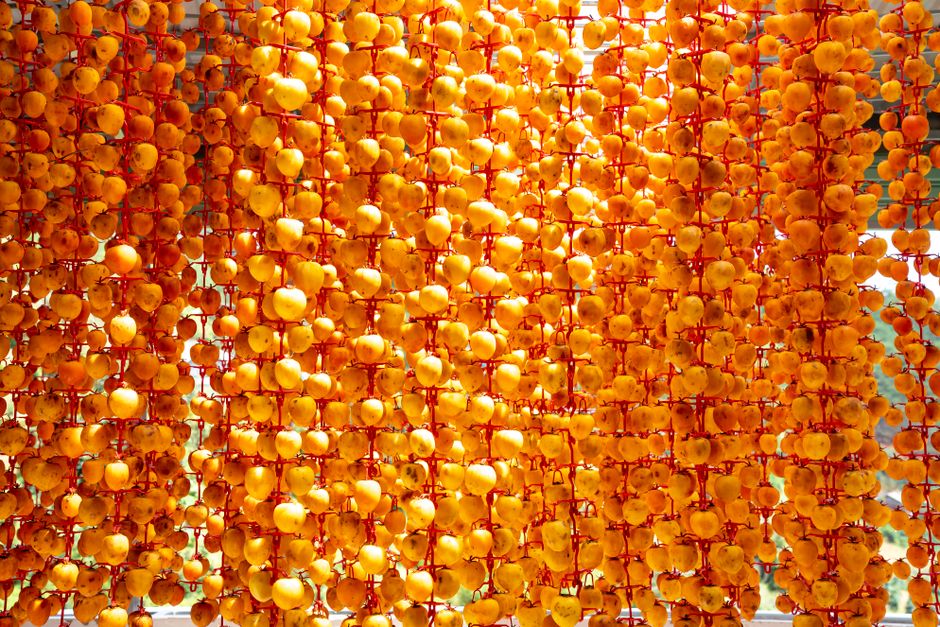
Master the Art of Food Dehydration
Introduction to Food Dehydration
Food dehydration is a traditional method of preservation that allows you to extend the shelf life of various foods such as fruits, vegetables, and herbs. By removing moisture, you inhibit bacterial growth and spoilage, making dried foods a convenient and healthy snack or ingredient.
Benefits of Food Dehydration
- Preserves nutrients and flavors
- Reduces storage space
- Provides a versatile ingredient for recipes
- Supports sustainable living by reducing waste
Essential Techniques for Food Dehydration
There are several methods to dehydrate foods effectively, including using a food dehydrator, oven drying, or air drying. Choosing the best method depends on the type of food and available equipment.
Step-by-Step Guide to Dehydrating Fruits
- Wash and peel the fruits if necessary.
- Slice them evenly for uniform drying.
- Pre-treat with lemon juice or blanching to prevent spoilage.
- Arrange slices on the dehydrator trays or baking sheets.
- Set the dehydrator or oven to the appropriate temperature (usually around 135°F or 57°C).
- Dry until the fruits are leathery and pliable, usually 6-12 hours depending on thickness.
- Cool and store in airtight containers.
Dehydration Tips for Success
Ensuring good airflow, monitoring temperature, and checking for dryness are key to successful dehydration. Proper storage tips will help keep your dried foods fresh for months.
Conclusion
Mastering the art of food dehydration opens up a world of culinary and preservation possibilities. Whether you're making healthy snacks or preparing ingredients for cooking, understanding the fundamental techniques will enhance your skills. Start experimenting today and enjoy the benefits of homemade dried foods!