
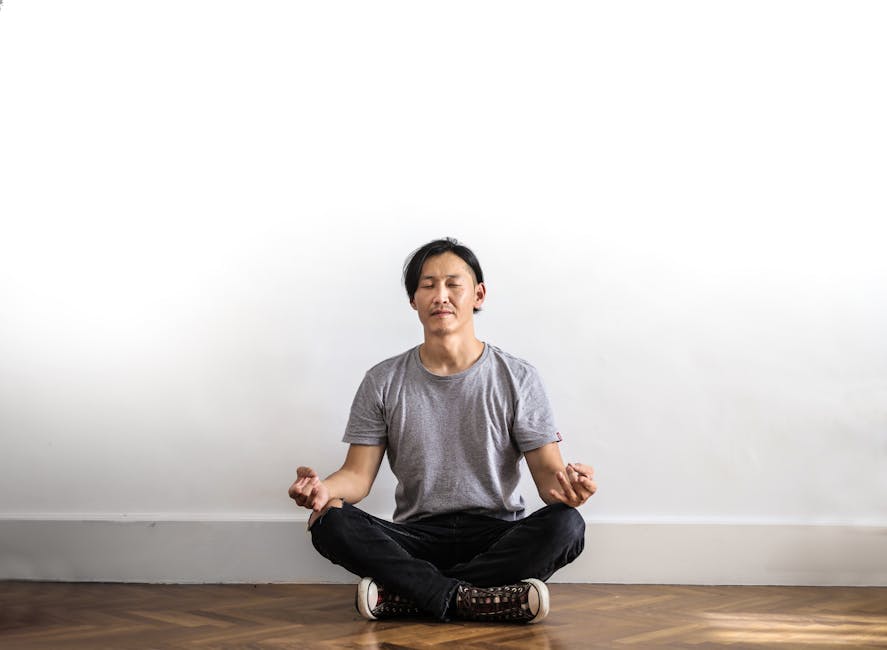
Must Know Meditation Techniques for Instant Calm
Introduction to Meditation for Instant Calm
Meditation has become a popular tool for managing stress and promoting mental clarity. Whether you are a beginner or have some experience, knowing the right meditation techniques can help you achieve instant calm during hectic days. In this guide, we'll explore mindfulness exercises and deep breathing techniques that you can practice anywhere.
Simple Meditation Techniques for Quick Relaxation
1. Focused Breathing
The focused breathing technique involves paying close attention to your breath. Sit comfortably, close your eyes, and inhale slowly through your nose. Exhale gently through your mouth. Concentrate solely on your breath, allowing other thoughts to fade away. This method can quickly reduce anxiety and bring about a sense of calm.
2. Body Scan Meditation
The body scan meditation helps you become aware of physical sensations and release tension. Start at your toes and gradually move upward, noticing any areas of tightness. Take deep breaths as you relax each part of your body. Practicing this can instantly alleviate stress and promote relaxation.
3. Mantra Meditation
Using a calming mantra, repeat a word or phrase silently to yourself. This focus can drown out distracting thoughts and induce a peaceful state. It’s especially effective in moments when you need rapid stress relief.
Tips for Incorporating Meditation into Your Daily Routine
- Start with just a few minutes each day and gradually increase duration.
- Practice in a quiet, comfortable space.
- Set reminders to meditate during breaks or before stressful meetings.
- Combine meditation with other relaxation techniques, such as guided meditation.
Conclusion
Mastering these must know meditation techniques can help you achieve instant calm whenever stress strikes. Consistency and mindful practice are key to experiencing lasting benefits. Start incorporating these methods today to improve your overall well-being and mental clarity.