
Nature's Tiny Architects: Revealing the Wonders of Ant Colonies
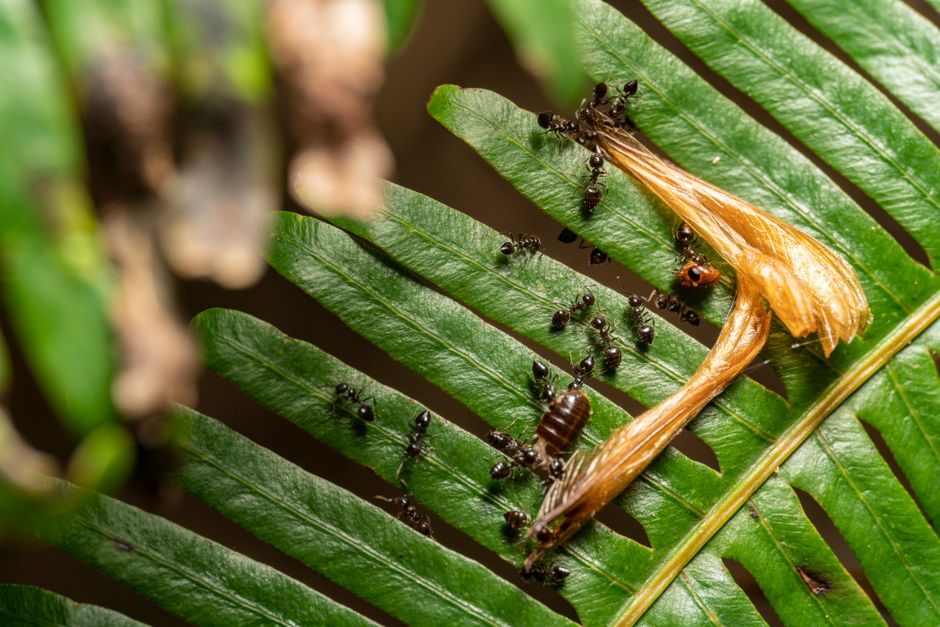
Ant colonies are among the most impressive examples of natural engineering. These tiny creatures, often overlooked, demonstrate a remarkable ability to build complex and efficient structures underground. Understanding ant architecture provides insight into their survival strategies and social organization.
The Ingenious Design of Ant Nests
Ant nests vary greatly among species but share common features such as tunnels, chambers, and ventilation systems. These structures help regulate temperature and humidity, ensuring the colonies' health and productivity. Learn more about the underground ecosystems and how ants adapt to different environments.
Communication and Social Organization
Ant colonies rely heavily on chemical signals called pheromones to communicate and coordinate activities. This social organization allows them to efficiently forage for food, defend their nest, and care for their young. Discover the way ant communication exemplifies complex social behavior.
Environmental Impact and Conservation
Ants play a vital role in maintaining healthy ecosystems by aerating soil, decomposing organic material, and controlling pests. Protecting their habitats is crucial for preserving biodiversity. Find out more about biodiversity conservation efforts focused on ant populations.