
Exploring Neolithic Burial Grounds: Unlocking Ancient Secrets
Understanding Neolithic Burial Grounds
Neolithic burial grounds are among the most important archaeological sites that offer insight into early human civilizations. These burial sites, dating back to the Neolithic period, showcase burial practices, social structures, and spiritual beliefs of prehistoric communities.
The Significance of Neolithic Burial Practices
Studying Neolithic burial practices helps researchers understand how ancient societies honored their dead, believed in an afterlife, and organized their communities. Many sites feature megalithic tombs, such as passage graves and dolmens, which indicate complex societal coordination.
Notable Neolithic Burial Sites
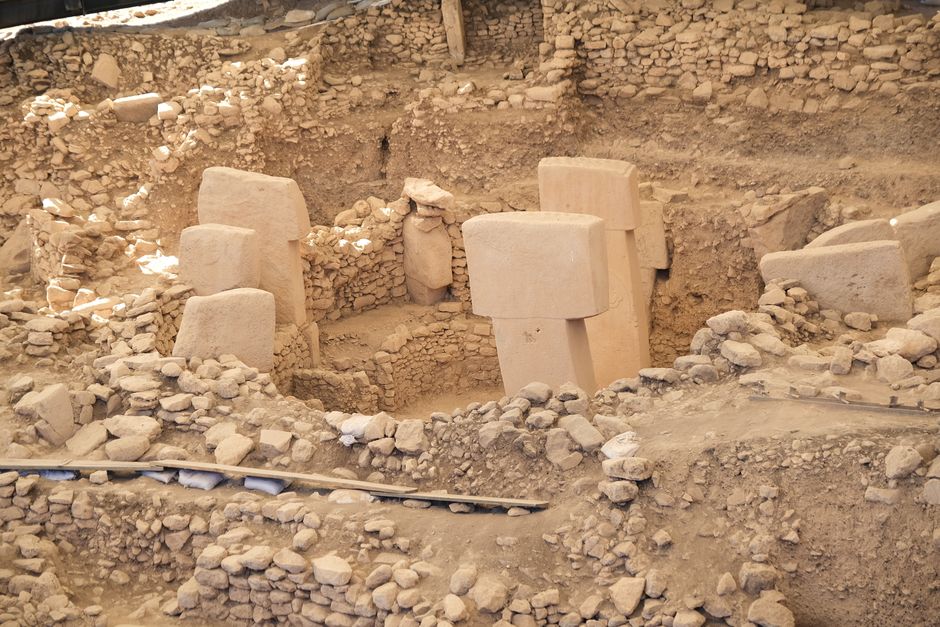
Some of the most famous Neolithic burial grounds include Göbekli Tepe in Turkey, Newgrange in Ireland, and Dolní Věstonice in Czech Republic. These sites not only reveal burial customs but also serve as ceremonial centers that highlight the spiritual life of early humans.
What These Sites Reveal About Early Humanity
By examining archaeological evidence from these sites, researchers have uncovered information about social hierarchies, ritual practices, and the transition from nomadic to settled lifestyles. The careful construction of burial sites indicates a complex worldview and respect for ancestors.
Conclusion
Neolithic burial grounds continue to be a vital source of knowledge about our distant past. They help piece together the social and spiritual fabric of early societies and demonstrate the universal human concern for life after death.