
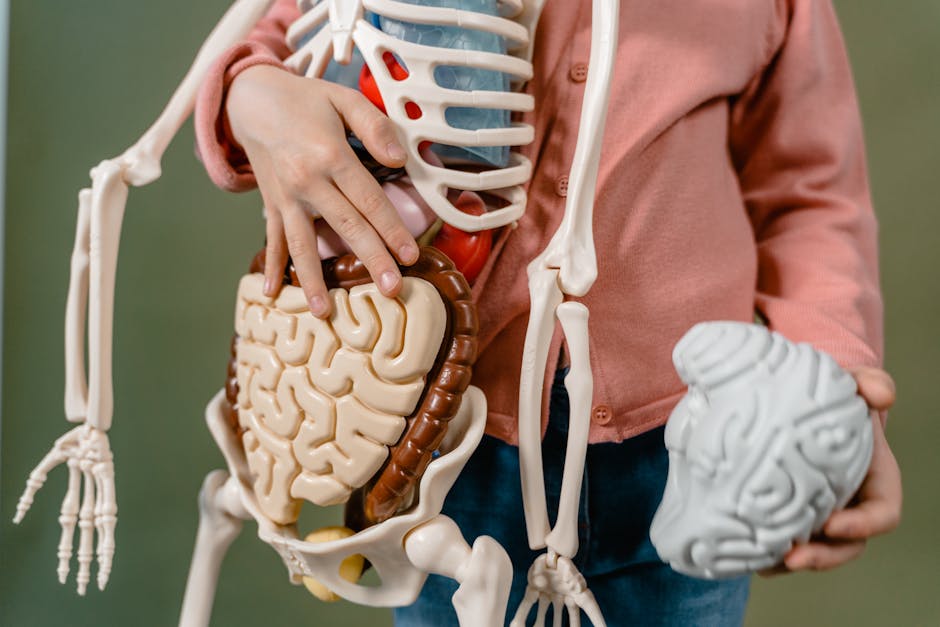
Neurotransmitters and Digestion: Exploring the Fascinating Role of Brain Chemicals in Your Digestive System
Have you ever wondered how your brain and digestive system are connected? It turns out that neurotransmitters, the chemical messengers in your brain, play a fascinating role in regulating digestion.
Neurotransmitters are responsible for transmitting signals between nerve cells. While they are commonly associated with mood regulation and cognitive functions, they also have a significant impact on your gut health.
One of the most well-known neurotransmitters, serotonin, plays a crucial role in digestion. It helps regulate muscle contractions in the intestines, ensuring the smooth movement of food through the digestive tract. Serotonin also influences your appetite, making you feel full after a meal.
Another neurotransmitter, dopamine, is involved in the reward and pleasure system of the brain. It not only affects your mood and motivation but also plays a part in digestion. Dopamine helps regulate the release of stomach acid and the absorption of nutrients from food.
GABA (gamma-aminobutyric acid), an inhibitory neurotransmitter, also plays a role in digestion. It helps relax muscles in the digestive tract, allowing food to move through smoothly. GABA can alleviate symptoms of irritable bowel syndrome (IBS) and improve overall gut health.
Apart from these neurotransmitters, other brain chemicals like acetylcholine and norepinephrine also influence digestion. Acetylcholine stimulates the production of stomach acid and digestive enzymes. Norepinephrine, a stress hormone, can affect the contraction and movement of the intestines under stress.
Understanding the link between neurotransmitters and digestion can shed light on various gut-related conditions. For example, imbalances in serotonin levels have been associated with irritable bowel syndrome, constipation, and even mood disorders like depression.
So, how can you support a healthy balance of neurotransmitters in your gut? A well-balanced diet rich in whole grains, fruits, vegetables, and lean proteins can provide the necessary nutrients for neurotransmitter production. Regular exercise, stress management techniques like meditation or yoga, and sufficient sleep also contribute to a healthy gut-brain connection.
Next time you sit down for a meal, remember the intricate relationship between your brain chemicals and digestion. Your gut health is not just about what you eat but also about the fascinating world of neurotransmitters operating behind the scenes.
Serotonin-and-gut-health:-The-surprising-link-between-brain-chemicals-and-digestion
The-impact-of-stress-on-your-digestive-system-and-neurotransmitter-levels
Unlocking-the-secrets-of-neurotransmitters:-How-these-brain-chemicals-dictate-your-digestion
Dopamine,-digestion,-and-happiness:-Understanding-the-connection-for-a-healthier-gut And-now,-exploring-tangents:
Boosting-brain-power:-Discover-the-lesser-known-neurotransmitters-that-enhance-cognition
From-brain-to-belly:-Unraveling-the-connection-between-neurotransmitters-and-food-cravings