
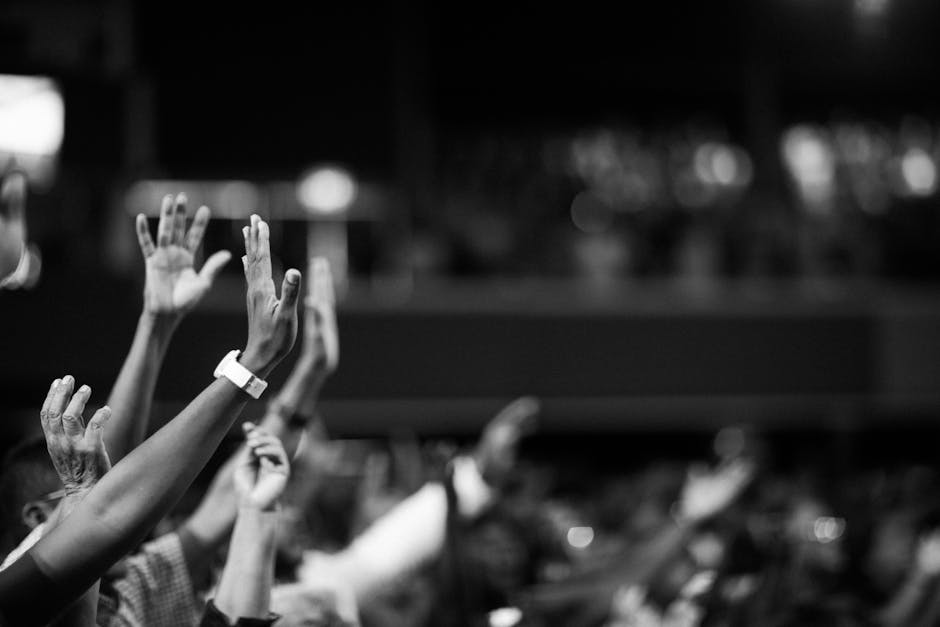
Understanding Nonverbal Communication in Diverse Settings
Nonverbal communication is an essential aspect of human interaction that often conveys more than words can express. Whether in personal relationships, professional environments, or cross-cultural encounters, understanding nonverbal cues can significantly improve mutual understanding and reduce misunderstandings.
What is Nonverbal Communication?
Nonverbal communication includes a range of behaviors such as facial expressions, gestures, posture, eye contact, and tone of voice. These cues often reveal emotions and attitudes that might not be explicitly stated.
The Importance in Diverse Settings
In settings like multinational workplaces or community events, being aware of cultural differences in nonverbal communication is vital. For instance, the amount of eye contact considered polite varies greatly between cultures, and misreading these cues can lead to misunderstandings.
In professional settings, body language and facial expressions can influence negotiations, presentations, and teamwork. Recognizing these signals helps in building trust and rapport with colleagues and clients.
Enhancing Communication Across Cultures
To effectively navigate diverse settings, it's helpful to learn about cultural norms related to nonverbal communication. When in doubt, observing and osberving others' responses can provide insights into appropriate behaviors.
For more tips on intercultural communication, visit our Intercultural Communication Tips page.
Practical Tips for Improving Nonverbal Communication Skills
- Maintain appropriate eye contact
- Be mindful of personal space
- Observe facial expressions closely
- Use gestures to emphasize points
- Adapt your body language to the context
Understanding and interpreting nonverbal cues accurately can foster more effective and respectful interactions in any setting. Whether in a business meeting or a cultural exchange, improving your awareness of these cues is a key step toward better communication.