
Organic Composting Secrets for Bumper Harvests
Introduction to Organic Composting
Organic composting is a sustainable way to enrich your soil and improve plant growth. It involves recycling kitchen scraps, yard waste, and other biodegradable materials to create natural fertilizer. By understanding the fundamentals of organic composting, gardeners can achieve healthier plants and higher yields.
Key Benefits of Composting for Your Garden
- Enhances soil fertility
- Improves soil structure and moisture retention
- Reduces waste and environmental impact
- Encourages beneficial microbial activity
Secrets to Successful Organic Composting
To maximize the benefits, follow these tips:
- Balance Green and Brown Materials: Use a mix of nitrogen-rich greens like vegetable scraps and browns such as dried leaves to maintain proper composting conditions.
- Maintain Proper Moisture: Keep the compost moist but not waterlogged to support microbial activity.
- Regular Turning: Turn the compost regularly to aerate and speed up decomposition.
- Monitor Temperature: Aim for temperatures between 130°F to 160°F to kill weed seeds and pathogens effectively.
From Compost to a Bumper Harvest
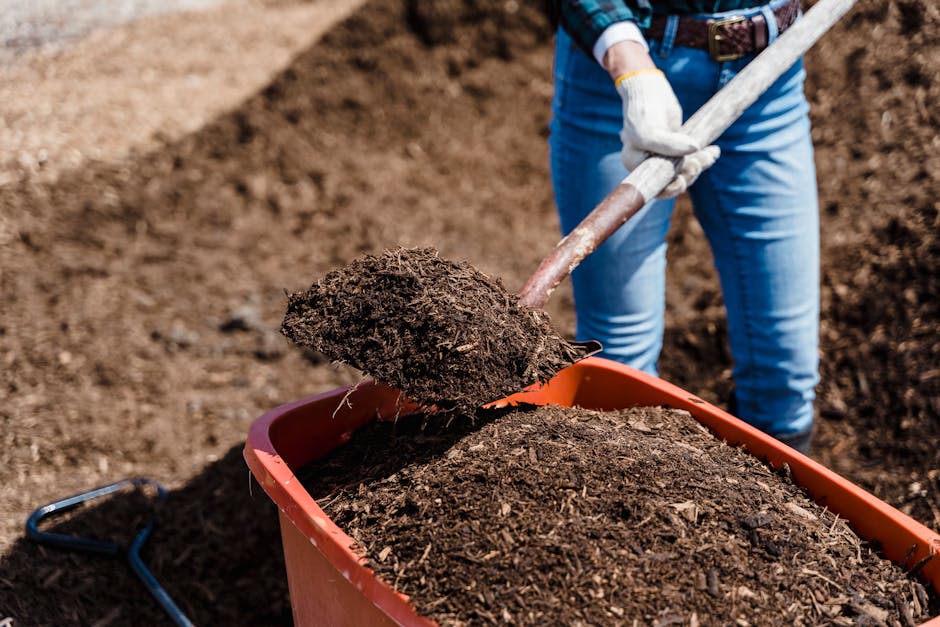
Once your compost has turned into dark, crumbly soil, it's ready to be used in your garden beds. Incorporate the compost into your soil before planting to provide essential nutrients. Consistent use of organic compost can lead to [bumper harvests](https://example.com/bumper-harvests) and healthier plants.
Additional Resources
For more tips on sustainable gardening, visit our Organic Gardening Guide or explore Composting Steps and Techniques to enhance your gardening skills.
Eco-friendly-fertilization-tricks-that-transform-your-soil-overnight--
How-biodegradable-waste-can-skyrocket-your-vegetable-garden’s-productivity--
Uncover-the-surprising-connection-between-composting-and-urban-farming-success--
The-shocking-truth-about-chemical-fertilizers-that-could-be-ruining-your-plants