
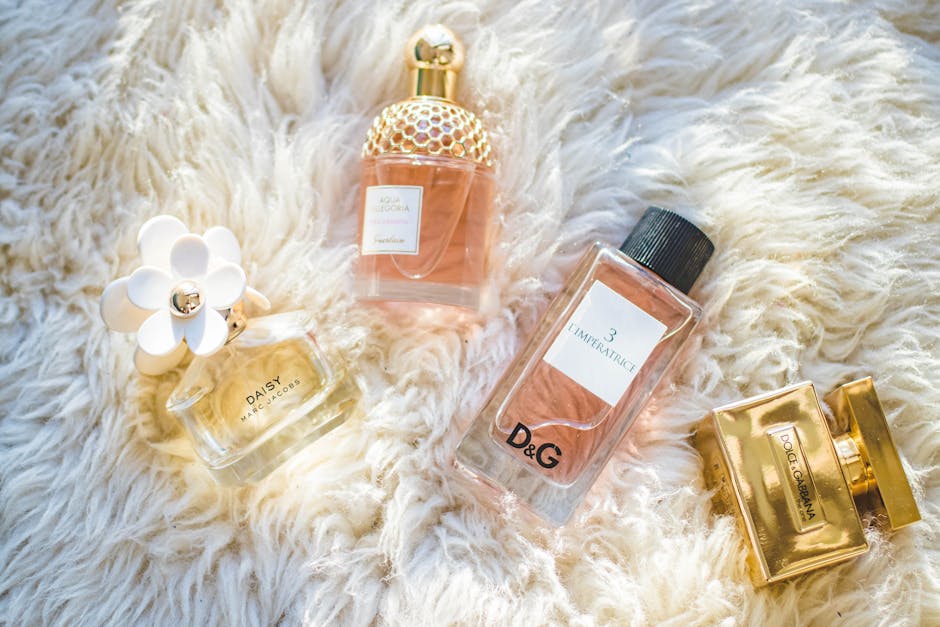
Organic vs Synthetic: Debunking the myths of perfumes
Perfumes are an essential part of our daily grooming routine. They not only enhance our personal scent but also boost our confidence. When it comes to choosing a perfume, one common debate arises - should you go for organic or synthetic perfumes?
There are several myths surrounding both types of perfumes. Let's debunk them and get to the truth.
Organic Perfumes
Organic perfumes are made from all-natural ingredients, usually extracted from plants. These perfumes claim to be more environmentally friendly and safer for your skin. However, there are a few misconceptions:
- Myth 1: Organic perfumes don't last as long as synthetic ones.
- Myth 2: Organic perfumes are weaker in scent.
- Myth 3: Organic perfumes are always more expensive.
This is not entirely true. While it is true that some organic perfumes may not have the same longevity as their synthetic counterparts, there are organic perfumes that last for hours.
Again, this is not necessarily true. Organic perfumes can have a wide range of scent strengths, just like synthetic ones. It ultimately depends on the concentration and quality of the natural ingredients used.
While it is true that some organic perfumes may carry a premium price tag due to the quality of ingredients used, there are also affordable options available. It's all about finding the right brand that fits your budget.
Synthetic Perfumes
Synthetic perfumes are made using a combination of natural and synthetic ingredients. Here are the common misconceptions:
- Myth 1: Synthetic perfumes are harmful to your health.
- Myth 2: Synthetic perfumes have a synthetic and artificial smell.
- Myth 3: Synthetic perfumes are bad for the environment.
This myth stems from the belief that synthetic ingredients are always toxic. However, the perfumery industry is highly regulated, and synthetic perfumes undergo stringent testing to ensure they meet safety standards.
While it is true that some synthetic perfumes may have a strong, artificial scent, it does not hold true for all of them. Many synthetic perfumes have complex and sophisticated fragrance profiles.
While it is true that synthetic ingredients require more processing and may have a larger carbon footprint, the perfumery industry is actively working on sustainable practices. Many brands are adopting eco-friendly packaging and sourcing their ingredients responsibly.
Conclusion
Ultimately, whether you choose organic or synthetic perfumes depends on your personal preferences and values. It's essential to look beyond the myths and consider the individual fragrance, longevity, and sustainability of each perfume you come across.
Now armed with the truth, you can confidently make an informed choice and enjoy your signature scent!