
Perfume Psychology: How Scents Can Influence Our Emotions and Behavior
Understanding Perfume Psychology
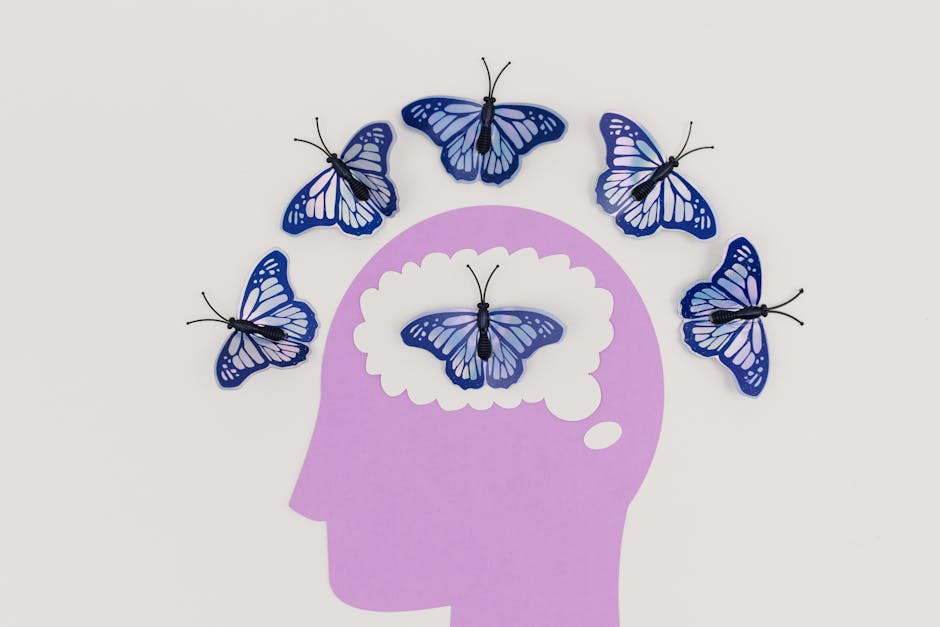
Perfume psychology is an intriguing field that studies how different scents can influence our emotions and perceptions. Our sense of smell is directly connected to the brain's limbic system, which governs emotions and memories. This connection explains why certain fragrances can evoke strong feelings or trigger specific behaviors.
The Power of Scents in Shaping Emotions
Research indicates that fragrances can significantly affect our mood and mental state. For instance, citrus scents such as citrus are known to promote alertness and boost energy levels, while lavender can induce relaxation and reduce stress.
How Perfumes Influence Behavior
Perfumes are often chosen for their psychological effects. Wearing a particular scent may increase confidence, attract others, or even influence social interactions. For example, warm and spicy perfumes are often associated with sensuality and intimacy, creating a powerful subconscious influence.
Popular Scents and Their Psychological Effects
- Vanilla: Comforting and calming
- Jasmine: Uplifting and romantic
- Cedarwood: Grounding and reassuring
- Peppermint: Refreshing and invigorating
Choosing Perfumes for Emotional Impact
When selecting a perfume, consider how the scent makes you feel. Whether you're seeking calmness, confidence, or energy, understanding the psychology behind fragrances can help you make informed choices that enhance your mood and behavior.
Explore more about how fragrances affect mood and find the right scent to match your desired emotional state.
Top-
secret-perfume-ingredients-that-influencers-DON’T-want-you-to-know--
Ancient-fragrance-rituals-that-can-transform-your-daily-routine--
The-surprising-link-between-aromatherapy-and-brainwave-frequencies--
How-fashion-trends-are-shaping-future-perfume-innovations