
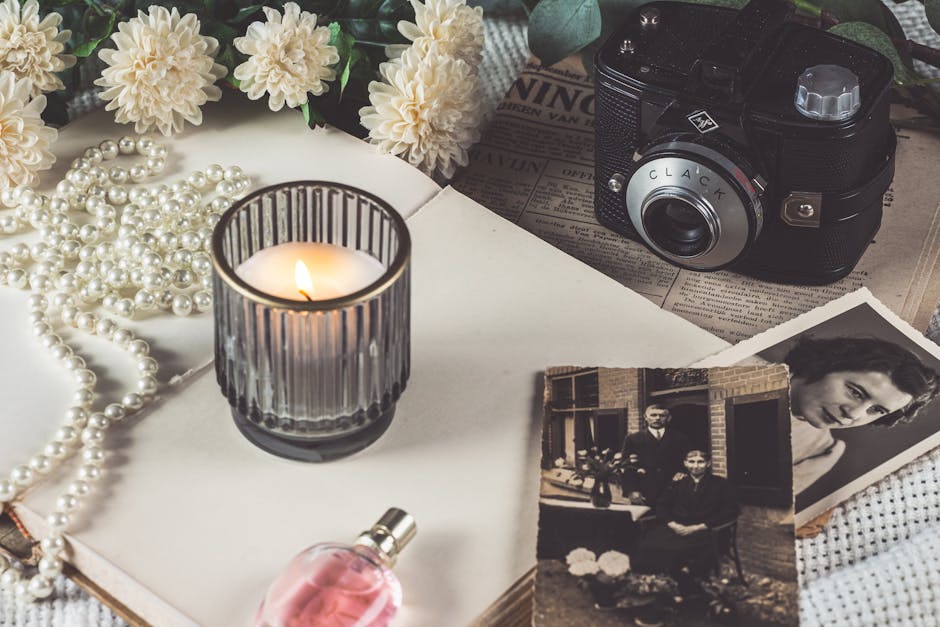
Perfume Time Travel: Exploring Scent Through the Ages
Introduction to Perfume Time Travel
Perfumes have long been an integral part of human culture, serving as symbols of luxury, spirituality, and personal expression. Exploring perfume time travel allows us to understand how scents have evolved over centuries, mirroring societal changes and technological advancements.
Ancient Perfumes and Their Significance
Origins of perfume date back to ancient civilizations such as Egypt, Mesopotamia, and the Indus Valley. In these eras, natural ingredients like myrrh, frankincense, and fragrant oils were used in religious rituals and embalming practices. The Egyptians, in particular, valued perfumes highly, often associating them with gods and the afterlife.
The Medieval and Renaissance Perfume Practices
During the medieval period, perfume-making became a highly guarded secret, with new formulations emerging in European monasteries and courts. The Renaissance saw the rise of perfumeries as art forms, with scent compositions becoming more sophisticated and exotic.
Learn more about history of perfume to see how trade routes and cultural exchanges enriched scent profiles.
Modern Perfumery and Innovations
In the 19th and 20th centuries, advances in chemistry transformed perfume creation, allowing synthetic ingredients to be developed. This revolutionized the industry, making perfumes more accessible and diverse. Iconic fragrances like Chanel No. 5 reflect the evolution of scent preferences over time.
Looking Forward: The Future of Perfumes
Today, sustainability and technology play crucial roles in perfume development. Innovations like personalized scents and eco-friendly ingredients continue to shape the future of perfumery.
Join us on this scent evolution journey to appreciate how perfumes serve as sensory time travelers, connecting us to the rich tapestry of human history.