
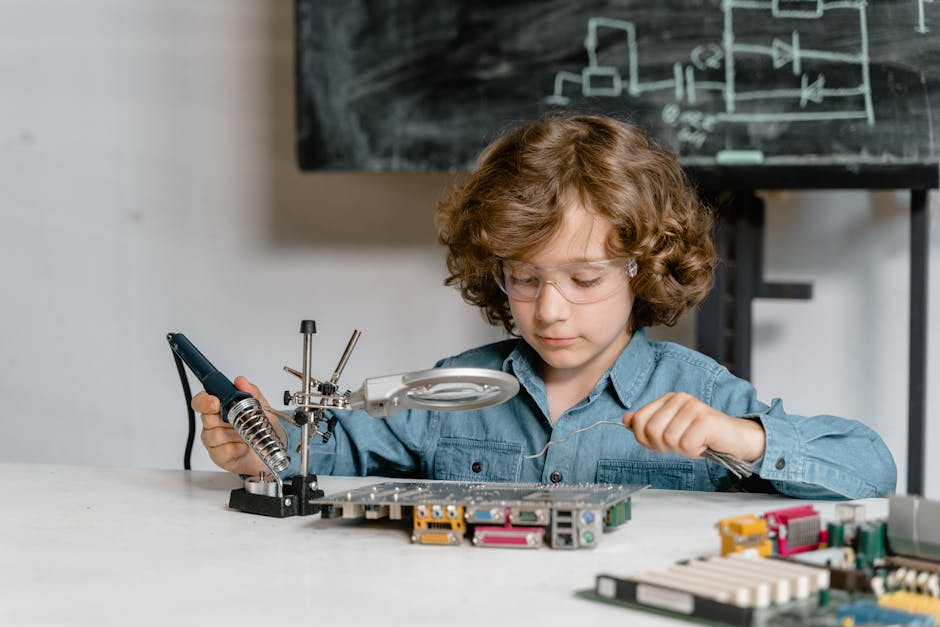
Practical Skill Acquisition in Educational Environments
In today's rapidly changing world, acquiring practical skills is essential for students to succeed beyond the classroom. Educational environments are increasingly focusing on hands-on learning methods that prepare learners for real-world challenges.
The Importance of Practical Skills in Education
Developing practical skills enables students to bridge the gap between theoretical knowledge and real-life application. These skills build confidence, problem-solving abilities, and adaptability, all of which are valued in the workforce.
Strategies for Effective Skill Acquisition
- Experiential Learning: Incorporating real-world projects and simulations into the curriculum helps students practice skills in a controlled environment.
- Industry Collaboration: Partnering with local businesses and organizations provides students with internship opportunities and practical exposure.
- Hands-On Workshops: Conducting workshops focused on specific skills such as coding, woodworking, or culinary arts encourages active participation.
- Peer Learning: Facilitating group work and peer teaching fosters collaborative skill development and knowledge sharing.
Benefits of Emphasizing Practical Skill Development
Students who engage in practical skill learning tend to be more motivated and prepared for career transitions. Additionally, such environments promote critical thinking and foster a culture of continuous improvement.
Fostering a Skill-Oriented Educational Environment
To effectively equip students with practical skills, educators should integrate hands-on learning, industry partnerships, and collaborative projects into their programs. Emphasizing practical skill acquisition ensures that learners are better prepared for the demands of the modern world.