
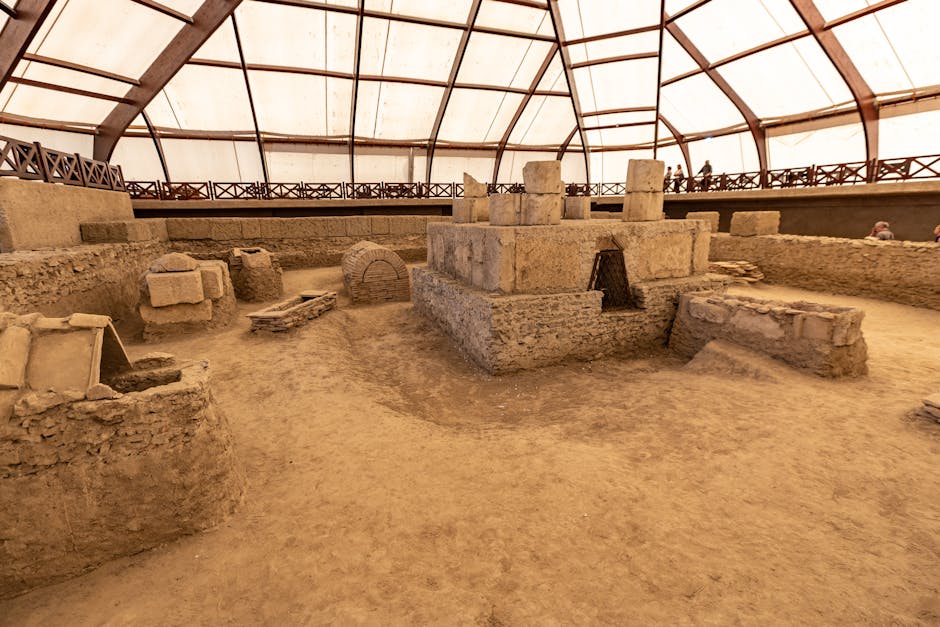
Preserving the Past: Innovative Approaches to Cultural Relics
Introduction
Cultural relics serve as important gateways to our history and heritage. Preserving these artifacts is crucial for understanding our past and maintaining cultural diversity. In recent years, many innovative approaches have emerged to enhance conservation efforts.
Technological Innovations in Preservation
Advancements such as digital conservation techniques and 3D scanning allow for detailed documentation and study of fragile relics without physical contact. These technologies facilitate restoration and virtual exhibitions, making cultural heritage more accessible worldwide.
Microclimate Control and Environment Modification
Maintaining optimal environmental conditions is essential for relic preservation. Modern museums implement microclimate control systems that regulate temperature, humidity, and light exposure, significantly reducing deterioration.
Innovative Materials in Restoration
New materials such as reversible adhesives and conservation-grade consolidants improve the safety and longevity of restoration work. These materials ensure that artifacts can be repaired effectively while remaining compatible with the original materials.
Community Engagement and Education
Public awareness and involvement play vital roles in cultural preservation. Interactive exhibits, online archives, and educational programs foster a sense of shared responsibility in safeguarding heritage.
Conclusion
By embracing innovative preservation methods, conservators can better protect our cultural relics. Combining technology, environmentally friendly practices, and community engagement ensures that history remains accessible and intact for future generations.