
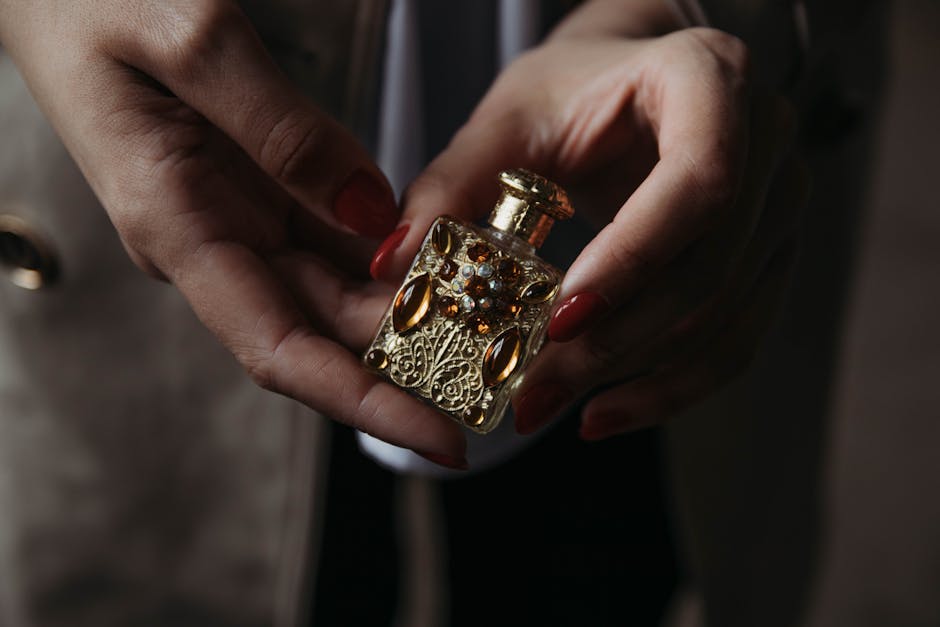
Revisiting the Perfumes of Historical Figures
Perfumes have been an essential part of human history, with their origins dating back to ancient civilizations. They have not only served the purpose of enhancing personal fragrance but have also played a significant role in culture and society. One intriguing aspect of perfumes is their association with historical figures, which provides a unique insight into the preferences and personalities of these influential individuals.
Let's embark on a journey to revisit the perfumes of historical figures and delve into their significance.
Ancient Rulers and Fragrance
Many ancient rulers were known for their love of perfumes and would surround themselves with exotic scents. Cleopatra, the iconic Egyptian queen, is said to have used a lavish blend of roses and spices, symbolizing her power and sensuality. The aroma of her chosen perfumes would envelope her, leaving a lasting impression on all who encountered her.
Ancient Chinese emperors also had a deep appreciation for fragrances. They commissioned experienced perfumers to create unique scents, often infused with rare and precious ingredients. These imperial fragrances not only represented luxury and stature but also served as a symbol of the ruling dynasty.
Renaissance and the Perfumed Court
The Renaissance period witnessed a resurgence of interest in perfumes, particularly among the nobility and royal courts. Perfumes became an essential part of courtly etiquette and were used as a means of self-expression and social status. The famous French queen, Catherine de' Medici, was known for her vast collection of perfumes, which she shared with her courtiers, creating a lasting legacy for French fragrance culture.
Modern Icons and Signature Scents
In more recent history, various influential individuals have become synonymous with specific perfumes. These modern icons have left an indelible mark on the fragrance industry. For instance, Marilyn Monroe famously declared that she wore only a few drops of Chanel No. 5 to bed. This statement catapulted the popularity of the perfume and solidified its status as an iconic fragrance.
Another example is Audrey Hepburn, who was closely associated with the fragrance Givenchy L'Interdit. This elegant and sophisticated perfume reflected her timeless beauty and grace.
Exploring the World of Historical Perfumes
Revisiting the perfumes of historical figures allows us to delve deeper into their lives and the impact they had on society. These fragrances capture the essence of their wearers, providing a sensory connection to the past.
By understanding the perfumes of historical figures, we gain insights into their preferences, cultural context, and the role of fragrances in their lives. It is a fascinating journey that bridges the gap between history and scent.