
Scent Marketing: How Brands Use Fragrances to Influence Consumer Behavior
In today's competitive market, brands are constantly seeking innovative ways to engage consumers and leave a lasting impression. One such technique gaining popularity is scent marketing, where brands harness the power of fragrances to influence consumer behavior. This emerging field of marketing has proven to be highly effective in enhancing brand experiences and driving sales.
Scent marketing, also known as aroma marketing or olfactory marketing, involves using unique fragrances strategically to create a sensory connection between the brand and its target audience. It taps into the powerful link between smells and emotions, as scents are directly linked to our memories and experiences.
Research has shown that our sense of smell is closely connected to our emotions and can evoke strong feelings and memories. By using specific scents, brands can create positive associations and trigger emotions that align with their desired brand image. For example, a bakery using the aroma of freshly baked bread can evoke feelings of comfort and nostalgia, making customers feel at home and increasing their likelihood of making a purchase.
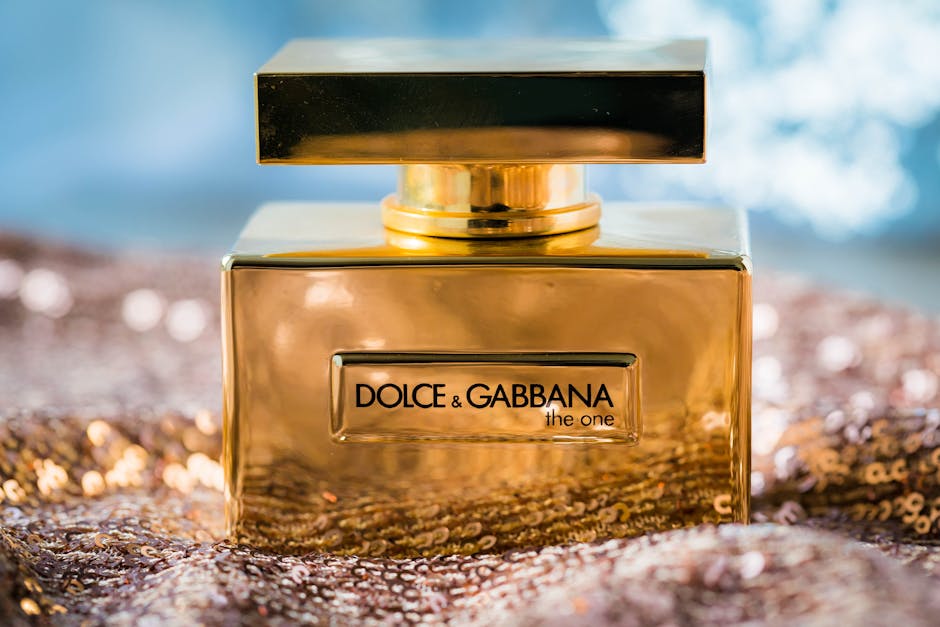
Scent marketing can be utilized in various ways across different industries. Retail stores often use signature scents to create a unique and immersive shopping experience. Luxury brands, in particular, invest in developing their own exclusive fragrances that become synonymous with their brand identity. This helps them build a sense of luxury and sophistication, enticing customers to make high-end purchases.
Hospitality industry also benefits from scent marketing. Hotels, spas, and resorts can use fragrances to create a relaxing ambiance and leave a lasting memory for their guests. Research shows that pleasant smells can enhance customer satisfaction and loyalty, leading to repeat business and positive word-of-mouth recommendations.
Additionally, scent marketing can also be used for brand recognition and recall. By consistently using specific fragrances in their marketing campaigns, brands can establish a scent logo that becomes instantly recognizable and associated with their brand. This can be especially valuable in crowded markets where brands are constantly vying for attention and trying to differentiate themselves.
As scent marketing continues to evolve, technology is playing an integral role in enhancing its effectiveness. Scent delivery systems are being developed to ensure controlled and consistent distribution of fragrances. Brands can also leverage digital platforms to create virtual scent experiences, allowing consumers to explore and engage with fragrances.
In conclusion, scent marketing is a powerful tool that brands are using to shape consumer behavior and enhance their brand experiences. By tapping into the emotional and nostalgic power of scents, brands can create lasting impressions and establish strong associations with their target audience. With the help of technology, scent marketing is only set to grow and become an even more influential aspect of brand communication.
Unleashing-the-Potential:-How-Scent-Marketing-Can-Revolutionize-Advertising-Strategies
From-Retail-to-Hospitality:-Utilizing-Fragrances-for-a-Captivating-Customer-Experience
Scent-Infused-Shopping:-Transforming-Stores-into-Sensory-Wonderlands
The-Untapped-Market:-Exploring-Scent-Marketing-in-Virtual-Reality-and-Gaming-Experiences