
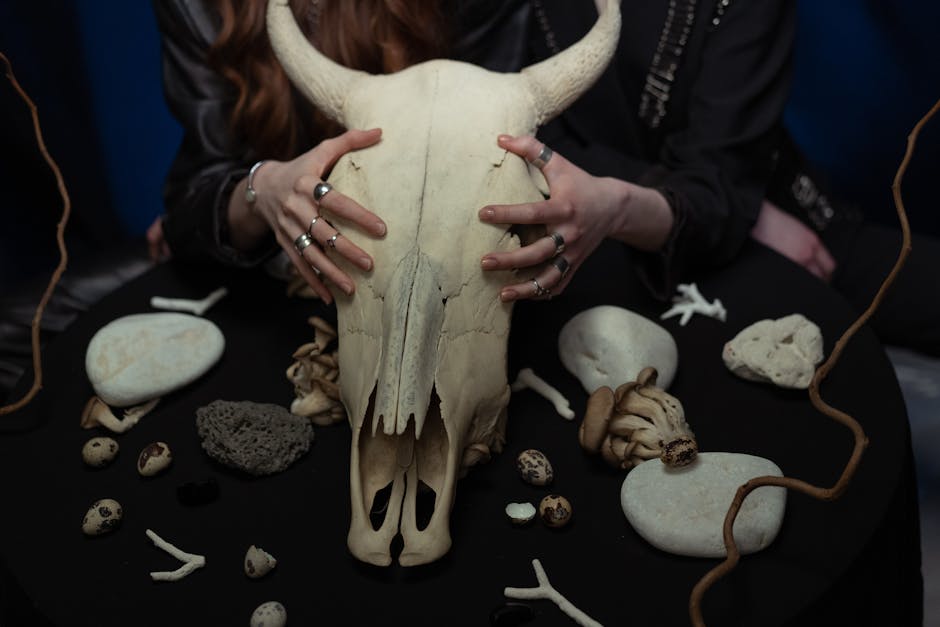
Secrets Behind Cryptic Symbolism in Visual Arts
Deciphering the Hidden Messages in Art
Throughout history, artists have often incorporated cryptic symbolism into their works to convey complex ideas, social commentaries, or spiritual beliefs. Understanding these symbols requires a keen eye and knowledge of cultural and historical contexts.
The Role of Symbolism in Artistic Expression
Symbolism in art serves as a bridge between the artist's intent and the viewer's interpretation. Artists like Renaissance painters utilized allegorical figures and hidden motifs to communicate nuanced messages that transcended literal meaning.
Common Cryptic Symbols in Visual Arts
- Animals: Ravens, snakes, lions often symbolize wisdom, danger, or strength.
- Colors: Black can represent mystery or death, white purity or innocence.
- Objects: Keys symbolize authority or secrets, while ladders might signify spiritual ascent.
Unveiling the Mystery: Techniques to Interpret Symbols
Interpreting cryptic symbolism involves studying the historical and cultural contexts of the artwork. Analyzing composition, iconography, and artist background can shed light on hidden meanings.
Why Understanding Cryptic Symbolism Matters
Deciphering these symbols enriches our appreciation of art and fosters a deeper connection with the artist's message. It reveals layers of meaning that might not be immediately apparent, making the experience of art more engaging and insightful.