
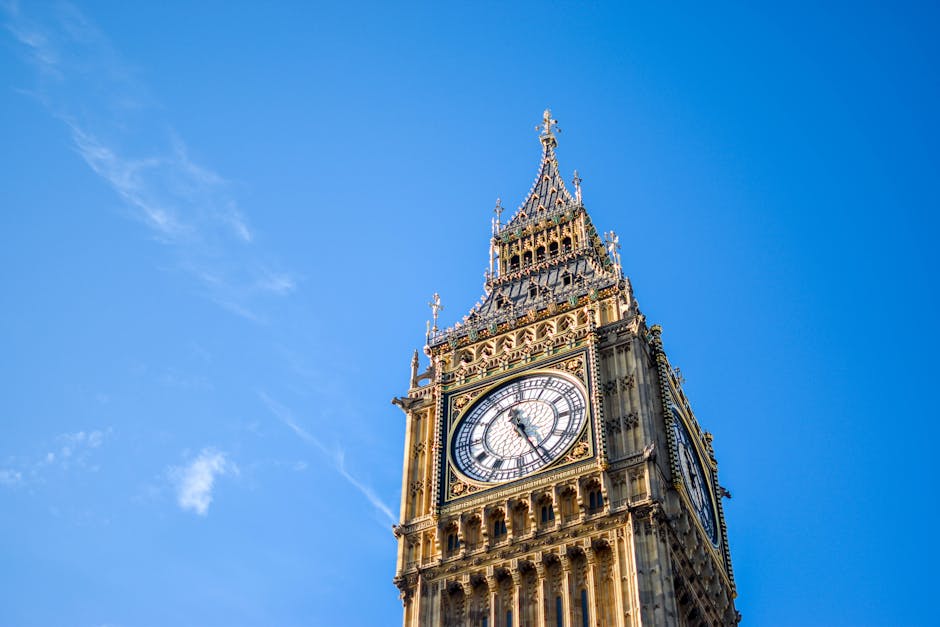
Sensory Time Travel: Explore the Past through Your Senses
Have you ever wished you could travel back in time and experience different eras firsthand? While time machines may only exist in science fiction, there's a unique way to transport yourself to the past without leaving your seat: sensory time travel.
Sensory time travel is an immersive experience that allows you to explore historical periods using your senses. By engaging all your senses, you can recreate the ambiance, atmosphere, and even the emotions of a specific bygone era.
Imagine closing your eyes and feeling the warmth of the sunlight on your skin as you step into an ancient Roman market. The scent of spices fills the air, and you can hear the bustling sounds of vendors and customers haggling. You reach out and touch the rough texture of stone columns, marveling at their timeless beauty.
With sensory time travel, you can go beyond reading about history in books or watching documentaries. You can truly transport yourself to a different time and place, amplifying your understanding and connection to the past.
So how can you embark on a sensory time travel journey? Here are a few ideas:
- Visit Historical Reenactments: Attend historical reenactments or festivals that recreate specific time periods. These events often feature authentic costumes, reenactors, and period-appropriate music and food.
- Experience Virtual Reality: Utilize virtual reality technology to immerse yourself in realistic historical environments. Virtual reality can simulate visuals, sounds, and even smells, making it a truly multisensory experience.
- Cook and Taste Historical Recipes: Explore the culinary traditions of the past by cooking and tasting historical recipes. Recreating dishes from different time periods allows you to experience the flavors and techniques that were popular back then.
By engaging in these sensory experiences, you can better understand the customs, traditions, and everyday life of different historical periods. You'll gain a deeper appreciation for our shared human heritage and the progress we've made over the centuries.