
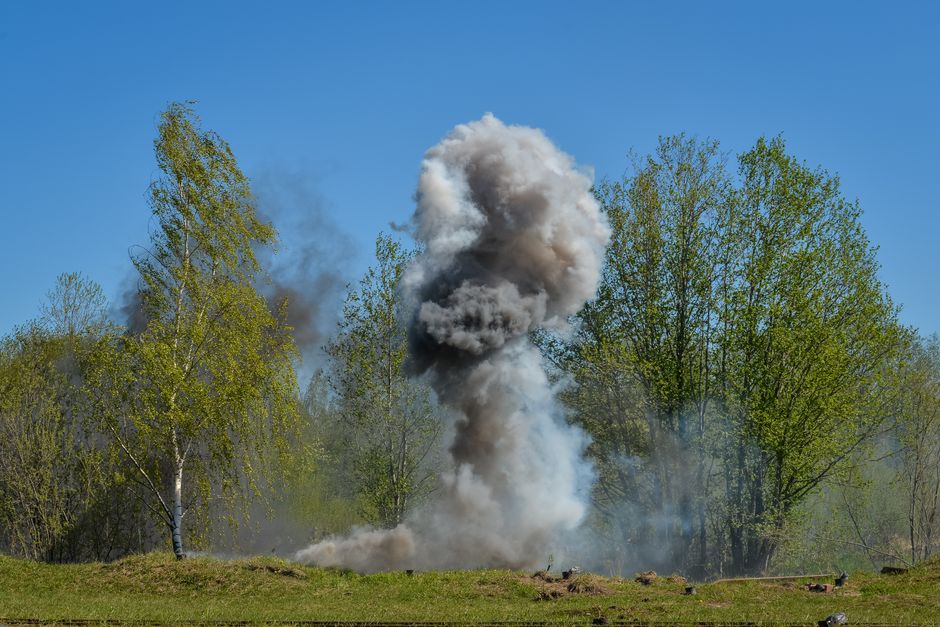
Understanding Shockwaves and Blast Effects in Explosions
Introduction to Shockwaves and Blast Effects
When an explosion occurs, it produces a powerful and rapid release of energy that results in shockwaves and blast effects. These phenomena can cause significant damage to structures and pose serious safety risks.
The Science Behind Shockwaves
Shockwaves are high-pressure waves that travel faster than the speed of sound in the surrounding medium. They are characterized by an abrupt change in pressure, temperature, and density. Understanding shockwaves is crucial for designing protective structures and assessing explosion impacts.
What Are Blast Effects?
Blast effects refer to the physical and environmental consequences of an explosion, including overpressure, high-velocity debris, and vibration. These effects can lead to destruction of nearby buildings, injuries, or even fatalities.
Impact and Safety Measures
Engineers and safety professionals study impact of blast effects to improve protective measures, such as blast-resistant buildings and safety protocols. Proper understanding of shockwave propagation helps in minimizing damage and preventing casualties.
Conclusion
Understanding shockwaves and blast effects is essential for safety, engineering, and disaster mitigation. Continued research in this area enhances our ability to anticipate and counter the destructive forces of explosions.