
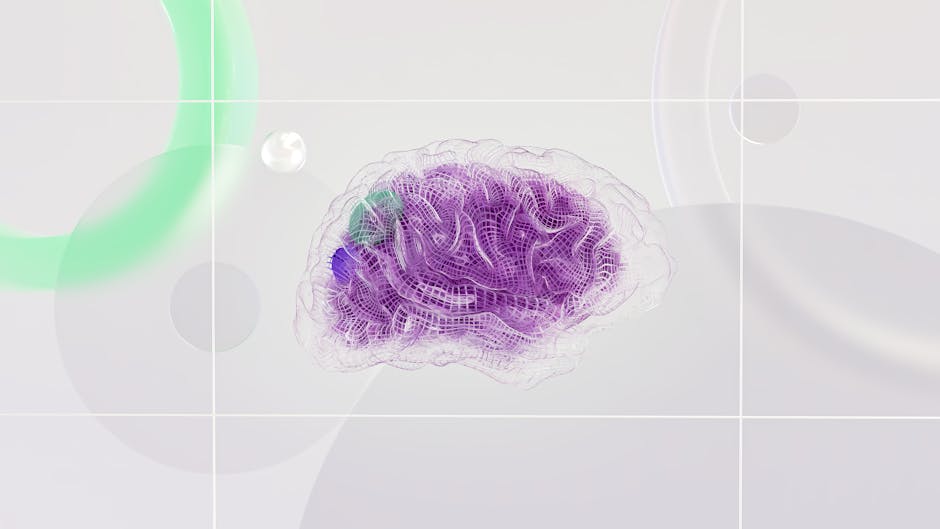
Simulation Theory: Are We Living in a Computer-Generated Reality?
Understanding Simulation Theory
Simulation theory suggests that our entire reality might be a computer-generated simulation created by an advanced civilization. This hypothesis raises profound questions about the nature of reality and consciousness, prompting scientists and philosophers to explore the boundaries of what we perceive as real.
The Origins of the Idea
The idea of living in a simulated universe dates back to philosophical debates about realism and skepticism. However, it garnered significant attention in modern times following technological advancements in artificial intelligence and computing power. Philosopher Nick Bostrom's famous Simulation Argument posits that at least one of the following must be true: humanity goes extinct before reaching a post-human stage, civilizations are not interested in running ancestor simulations, or we are almost certainly living in a simulation.
Evidence and Scientific Perspectives
While direct evidence remains elusive, some physicists argue that the universe's apparent digital structure hints at a digital universe. Experiments attempting to detect anomalies in space-time are ongoing, aiming to find clues whether our reality has a quantum or computational basis.
Philosophical Implications
If we are living in a simulation, questions arise about free will, ethics, and the nature of existence. Many ponder whether consciousness can truly be simulated and what that means for understanding ourselves and the universe.
Conclusion
The hypothesis that we might be within a computer simulation challenges our understanding of reality and opens up a realm of philosophical and scientific exploration. Whether or not we find concrete evidence, contemplating simulation theory encourages us to reflect on the mysteries of existence and the potential nature of the universe.