
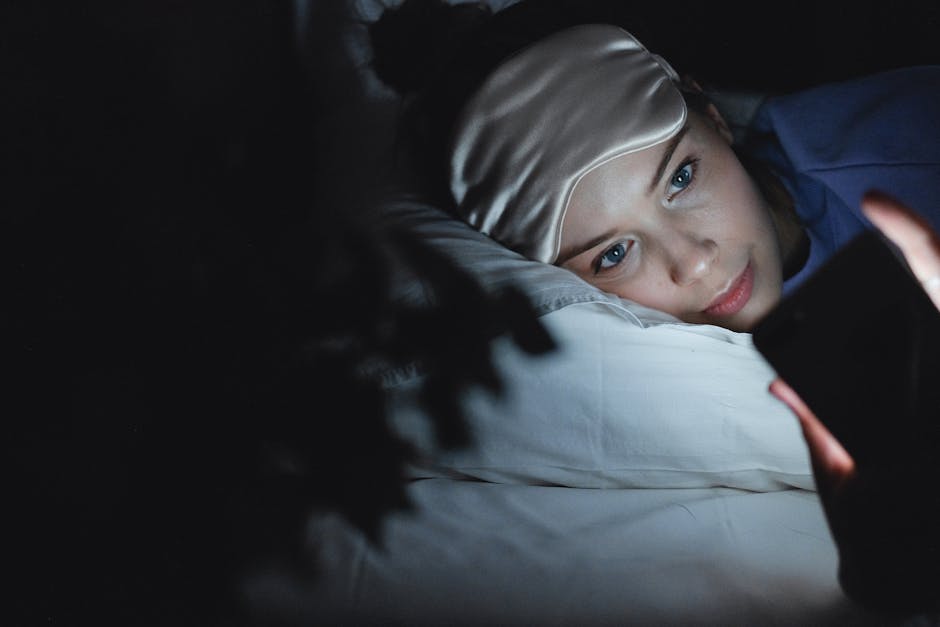
Understanding Sleep Disruption From Screen Time
Introduction to Sleep Disruption and Screen Time
In today's digital age, many individuals experience sleep disruption caused by screen time. Prolonged exposure to screens, especially before bedtime, can interfere with the body's natural sleep cycle, making it difficult to fall asleep and stay asleep through the night.
How Screen Time Affects Sleep
Devices such as smartphones, tablets, and computers emit blue light that suppresses melatonin production, the hormone responsible for regulating sleep. This disruption can lead to decreased sleep quality and increased sleep latency. To learn more about how blue light impacts sleep, read our detailed guide.
Practical Tips to Minimize Sleep Disruption
- Limit Screen Use Before Bedtime: Try to avoid screens at least one hour before sleeping.
- Use Blue Light Filters: Enable blue light filter settings or wear glasses designed to block blue light during evening hours.
- Establish a Bedtime Routine: Engage in relaxing activities such as reading a physical book or meditation that do not involve screens.
- Create a Sleep-Friendly Environment: Ensure your bedroom is dark, cool, and free from electronic distractions.
Conclusion
Managing screen time habits is essential for improving sleep quality. By implementing these strategies, you can reduce sleep disruption and enjoy more restful nights.