
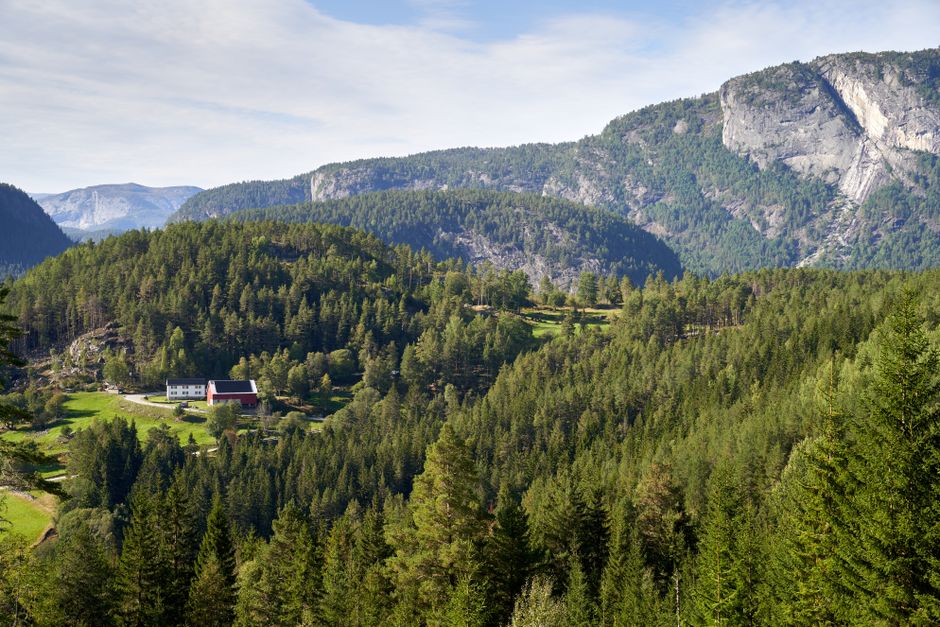
Exploring Snow-Capped Peaks: Nature's Majestic Wonders
Introduction to Snow-Capped Peaks
Snow-capped peaks are among the most stunning natural features on our planet. These towering mountains, adorned with glistening snow, symbolize both beauty and resilience. They are often found in high-altitude regions and serve as iconic symbols of wilderness and exploration.
The Formation of Snow-Capped Peaks
The formation of mountain geology plays a crucial role in creating these majestic peaks. Over millions of years, tectonic movements uplift the Earth's crust, forming towering mountain ranges. Cold temperatures at high altitudes cause precipitation to fall as snow, which accumulates and creates the characteristic snowy caps.
Popular Destinations with Snow-Capped Peaks
Some of the world's most famous mountain destinations feature snow-capped peaks. Notable examples include the Himalayas, the Andes, and the Alps. These ranges attract adventurers, hikers, and photographers eager to witness their grandeur.
The Significance of Snow-Capped Peaks
Snow-capped peaks are vital ecosystems, supporting diverse flora and fauna. They also serve as critical sources of freshwater through melting snow, feeding rivers around the world. Additionally, they offer recreational activities like skiing, mountaineering, and trekking.
Conclusion
Exploring snow-capped peaks provides a glimpse into Earth's natural wonder and resilience. Whether you're a traveler, scientist, or nature enthusiast, these majestic mountains inspire awe and admiration for our planet’s diverse landscapes.