
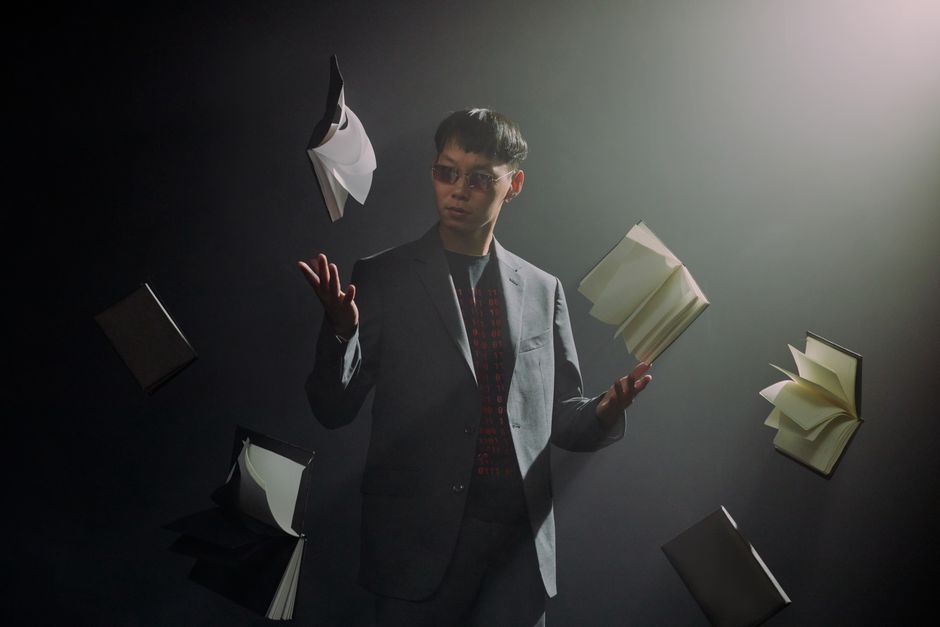
Exploring Surrealism in Literature: Unlocking a World of Imagination
Surrealism in literature is a captivating movement that challenges conventional storytelling by exploring the unconscious mind and dreams. This literary genre invites readers to experience worlds beyond reality, filled with unexpected juxtapositions and symbolic imagery.
The roots of surrealism can be traced back to early 20th-century art and philosophy, heavily influenced by the works of Salvador Dalí and André Breton. Breton, in particular, sought to break free from rational thought and harness the power of the subconscious, leading to revolutionary writings that defy logical explanation.
Authors like Franz Kafka and Franz Kafka incorporated surrealist elements such as nightmares, hallucinations, and absurdity into their stories, creating immersive worlds that challenge perceptions of reality. Surrealist literature often emphasizes automatic writing, a technique where writers allow their subconscious to guide their pen, resulting in unpredictable and evocative prose.
Understanding surrealism in literature enhances our appreciation for imaginative storytelling and the exploration of the human psyche. Whether through symbols, dream sequences, or irrational narratives, surrealist works continue to inspire authors and readers alike to view reality through a different lens.
To delve deeper into this fascinating genre, explore our detailed guides on Key Authors in Surrealism, Surrealist Techniques, and The Impact of Surrealism on Literature.