
Sustainable Farming Innovations: Transforming Agriculture for a Greener Future
Introduction to Sustainable Farming Innovations
Sustainable farming innovations are at the forefront of transforming traditional agriculture into environmentally friendly and efficient practices. These innovations aim to reduce the ecological footprint of farming while increasing productivity and resilience.
Vertical Farming
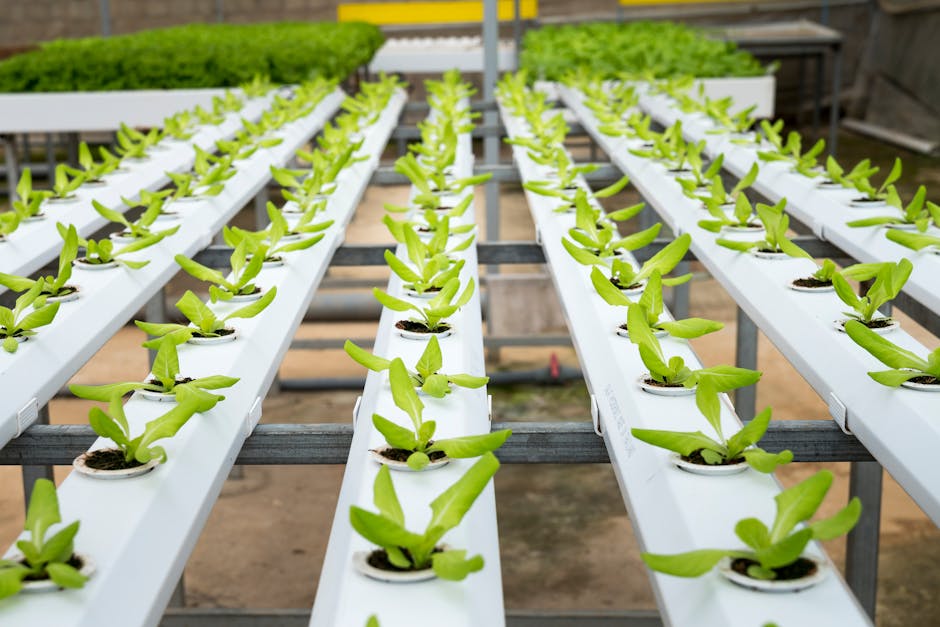
One of the most exciting developments in vertical farming involves growing crops in stacked layers within controlled environments. This approach minimizes land use and water consumption, making it ideal for urban areas.
Precision Agriculture
Technologies such as GPS-guided equipment and data analytics form the basis of precision agriculture. These methods optimize inputs like water, fertilizer, and pesticides, reducing waste and environmental impact.
Organic Farming Techniques
Adopting organic farming techniques helps promote soil health and biodiversity. Innovative practices include crop rotation, composting, and biological pest control.
Innovative Water Management
Efficient water use is critical in sustainable farming. Techniques such as drip irrigation and rainwater harvesting are being widely adopted to conserve water resources.
Renewable Energy Integration
Incorporating renewable energy sources like solar and wind power into farming operations reduces reliance on fossil fuels and decreases carbon emissions.
Conclusion
Embracing these sustainable farming innovations is vital for a resilient agricultural system capable of meeting global food demands while protecting our planet. As technology advances, the future of farming looks increasingly sustainable and efficient.