
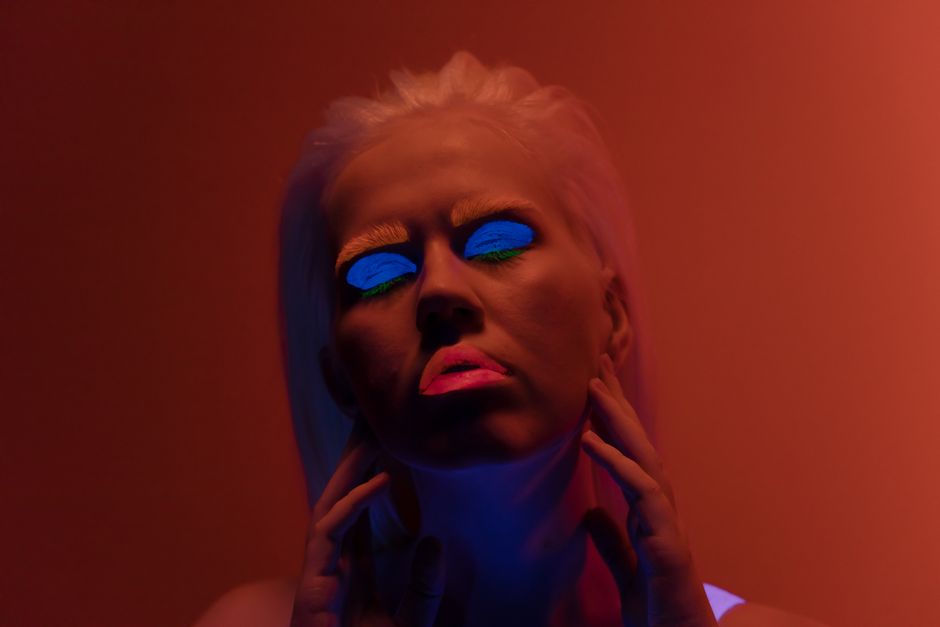
Synesthesia in Art: Unveiling the Power of Combining Senses for an Otherworldly Artistic Journey
Understanding Synesthesia in Art
Synesthesia is a remarkable neurological phenomenon where stimulation of one sense involuntarily triggers another sense, creating a multi-sensory experience. In the realm of art, this phenomenon allows artists to communicate complex emotions and ideas by blending senses in innovative ways.
The Artistic Power of Combining Senses
By harnessing synesthesia, artists can produce compelling visual art that evokes sounds, tastes, or even tactile sensations. This fusion creates a more immersive and otherworldly experience for viewers, allowing them to perceive art beyond traditional boundaries.
Examples of Synesthetic Art
Many contemporary artists and musicians experiment with synesthetic techniques. For example, musicians might compose pieces inspired by color, translating music into visual forms, while visual artists might incorporate sound into their paintings.
Creating a Multi-Sensory Artistic Journey
To experience or create synesthetic art, consider exploring techniques that stimulate multiple senses simultaneously. Virtual reality and interactive installations are leading the way, inviting audiences to participate actively in a multi-sensory journey.
Conclusion
Synesthesia opens new avenues in creative expression. It encourages us to think beyond the traditional and embrace the interconnectedness of our senses, ultimately crafting otherworldly artistic experiences that resonate deeply and evoke wonder.
Discover More About Synesthesia
Learn about the science behind synesthesia and how it influences modern art.