
Renewable Energy Solutions: Going off on a Tangent for a Better Future
Renewable Energy Solutions: Going off on a Tangent for a Better Future
Renewable energy solutions provide a promising avenue for a more sustainable and environmentally friendly future. They offer a tangent that can lead us away from our current dependence on fossil fuels and towards cleaner and greener energy sources.
There are various types of renewable energy sources that can be harnessed to power our homes, businesses, and industries. These include solar energy, wind energy, hydroelectric power, geothermal energy, and biomass energy. Each of these sources has its unique advantages and potential for widespread adoption.
Solar Energy
Solar energy is one of the fastest-growing renewable energy sources. It uses photovoltaic cells to convert sunlight into electricity. Solar panels can be installed on rooftops or in solar farms to harness the sun's energy and generate power. Solar energy is abundant, clean, and free to harness, making it an attractive option for both residential and commercial applications.
Wind Energy
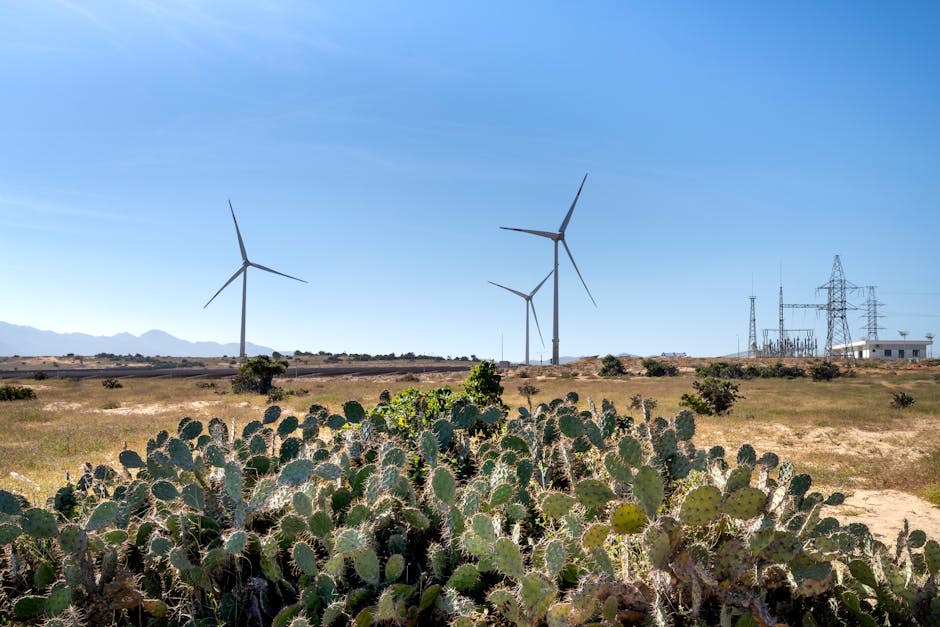
Wind energy is another prominent player in the renewable energy sector. Wind turbines capture the kinetic energy of wind and convert it into electricity. Wind farms, consisting of multiple turbines, are set up in areas with high wind speeds to maximize energy generation. Wind energy is a cost-effective and sustainable option, with turbines becoming increasingly efficient and capable of generating power even at lower wind speeds.
Hydroelectric Power
Hydroelectric power utilizes the movement of water to generate electricity. Large dams and reservoirs are constructed to store water, which is then released to turn turbines and produce power. Hydroelectric power is a reliable and established renewable energy source, accounting for a significant portion of the world's electricity generation.
Geothermal Energy
Geothermal energy harnesses the natural heat from the Earth's interior. It involves tapping into hot water or steam reservoirs located deep underground to generate power. Geothermal energy is a valuable resource in regions with geothermal activity, offering a consistent and reliable source of electricity generation.
Biomass Energy
Biomass energy refers to the use of organic materials, such as wood, agricultural waste, or dedicated energy crops, to produce heat or electricity. Biomass can be burned directly, converted into biogas or biofuels, or transformed into biochar. Biomass energy is considered carbon-neutral as it releases the same amount of carbon dioxide during combustion as the plant material consumed during its growth.
Renewable energy solutions are crucial for reducing greenhouse gas emissions, combating climate change, and transitioning to a more sustainable energy system. By embracing renewable energy sources, we can go off on a tangent from our current unsustainable path and create a better future for ourselves and future generations.