
The Hidden Science Behind Wi-Fi and How Quantum Physics Powers It
Wi-Fi has become an indispensable part of modern life, providing seamless internet access at home, work, and on the go. But have you ever wondered about the underlying science that enables this wireless connectivity? Behind the scenes, sophisticated principles rooted in physics make Wi-Fi possible.
At its core, Wi-Fi relies on radiofrequency signals that are transmitted and received by devices with antennas. These signals are governed by electromagnetic wave theory, a fundamental aspect of physics. However, the more intriguing aspect involves how quantum physics contributes to the technology's efficiency and security.
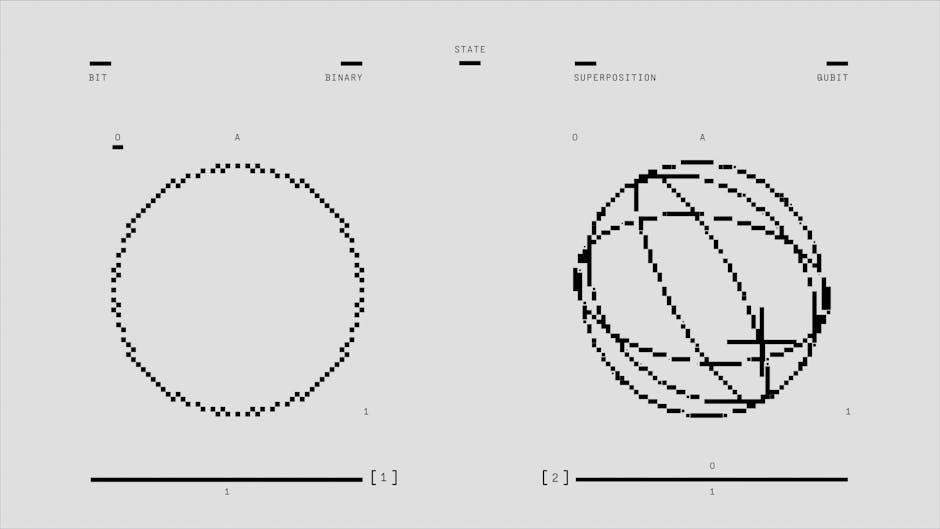
Quantum physics introduces concepts such as quantum entanglement and superposition, which are beginning to influence emerging wireless communication methods. For example, researchers are exploring quantum communication techniques that could revolutionize data security by leveraging the principles of quantum mechanics.
Furthermore, understanding phenomena like quantum dots enhances the development of advanced components such as highly efficient transceivers and miniature antennas for future Wi-Fi standards. These components could lead to faster, more reliable, and more secure wireless networks.
In essence, the intersection of classical and quantum physics continues to drive innovation in wireless technology. As research progresses, the invisible quantum world will likely play an even greater role in powering the Wi-Fi networks of tomorrow.
To learn more about the science behind wireless technology, explore our comprehensive guide to wireless technology.