
The Most Unusual Ingredients in Men’s Cologne You Need To Know
When it comes to choosing a men's cologne, many are familiar with classic ingredients like musk, cedarwood, and citrus. However, some of the most distinctive fragrances feature unusual ingredients that create captivating and memorable scents. In this article, we delve into some of the most exotic incenses and rare components used in perfumery today.
1. Oud (Agarwood)
Oud is a highly prized ingredient derived from the resinous heartwood of Aquilaria trees. Its rich, woody aroma with hints of sweetness and spice makes it a favorite in luxury colognes. Oud-based fragrances are known for their depth and complexity, appealing to those seeking a bold and exotic scent.
2. Saffron
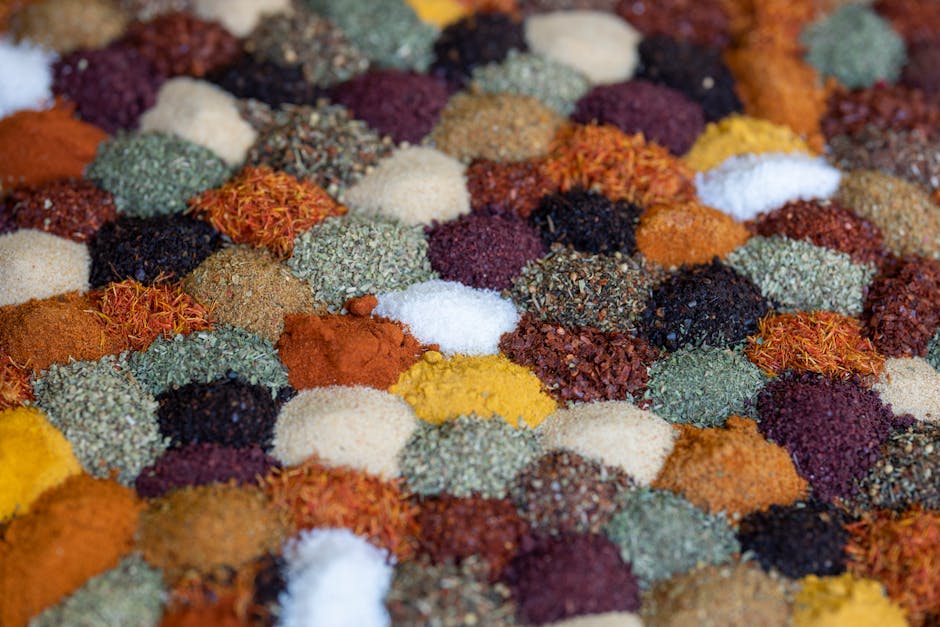
This luxurious spice is not only used in culinary dishes but also in perfume creation. Saffron adds warm, earthy, and slightly sweet notes, elevating a cologne to a sophisticated level.
3. Ambergris
Ambergris is a rare substance produced in the digestive system of sperm whales. Valued for its sweet, musky aroma, it imparts a luxurious depth to fragrances and is often used in high-end perfumes.
4. Tonka Bean
Known for its warm, sweet, and slightly spicy aroma, tonka bean adds a comforting touch to colognes. Its unique scent profile makes it popular in oriental and gourmand fragrances.
5. Iris Root
Often called the flower of the gods, iris root provides a powdery, floral aroma that balances other spicy and woody notes in colognes. It's a key ingredient in many luxury fragrances.
As fragrance enthusiasts seek uniqueness, incorporating these rare ingredients allows perfumers to craft compelling scents that stand out from the crowd. Exploring colognes with unusual ingredients can transform your scent experience into something extraordinary.