
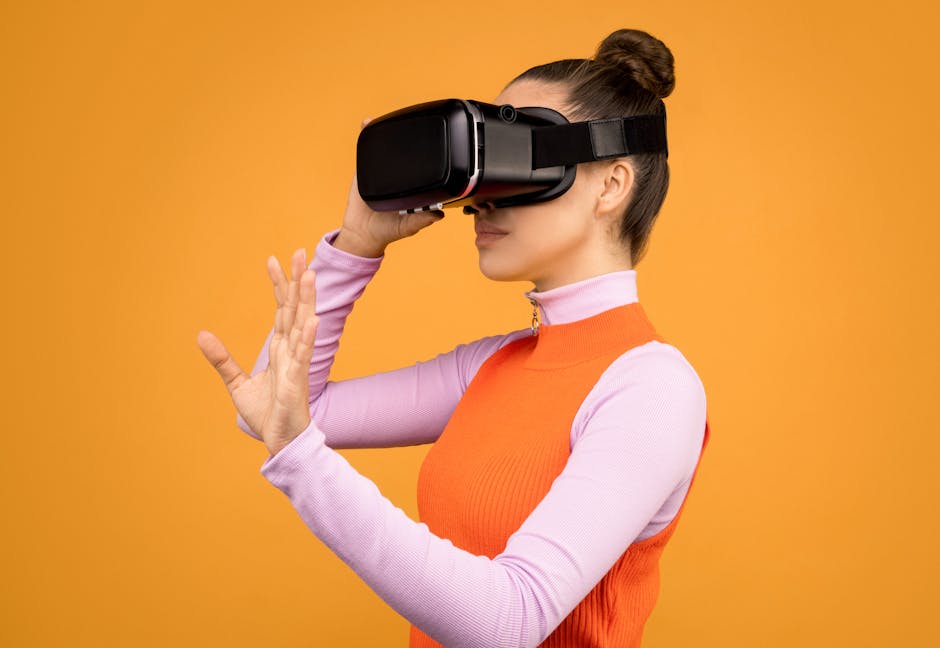
The Rise of Virtual Reality Meetings and Its Impact on Collaboration
In recent years, virtual reality meetings have emerged as a groundbreaking innovation in the field of remote collaboration. As organizations seek more engaging and effective ways to connect, VR technology provides an immersive environment that closely mimics face-to-face interactions.
Traditional remote meetings often suffer from limited engagement and a lack of personal connection. However, with VR-enabled meetings, participants can interact in a shared virtual space, making discussions more dynamic and collaborative. This approach promotes a sense of presence, helping team members feel more connected regardless of geographical distances.
One of the key advantages of virtual reality collaboration is the ability to simulate physical interactions, such as pointing, gesturing, or manipulating 3D objects. This capability enhances brainstorming sessions, product design reviews, and training simulations, providing a more tangible and engaging experience for all involved.
As the technology continues to evolve, more businesses are adopting virtual reality meetings as a standard part of their communication toolkit. While challenges like hardware costs and technical proficiency remain, the benefits of improved collaboration and innovation are encouraging widespread adoption.
In conclusion, the rise of virtual reality meetings is poised to redefine how teams collaborate and communicate. By embracing this technology, organizations can foster more effective and engaging interactions, paving the way for a more interconnected and productive future.