
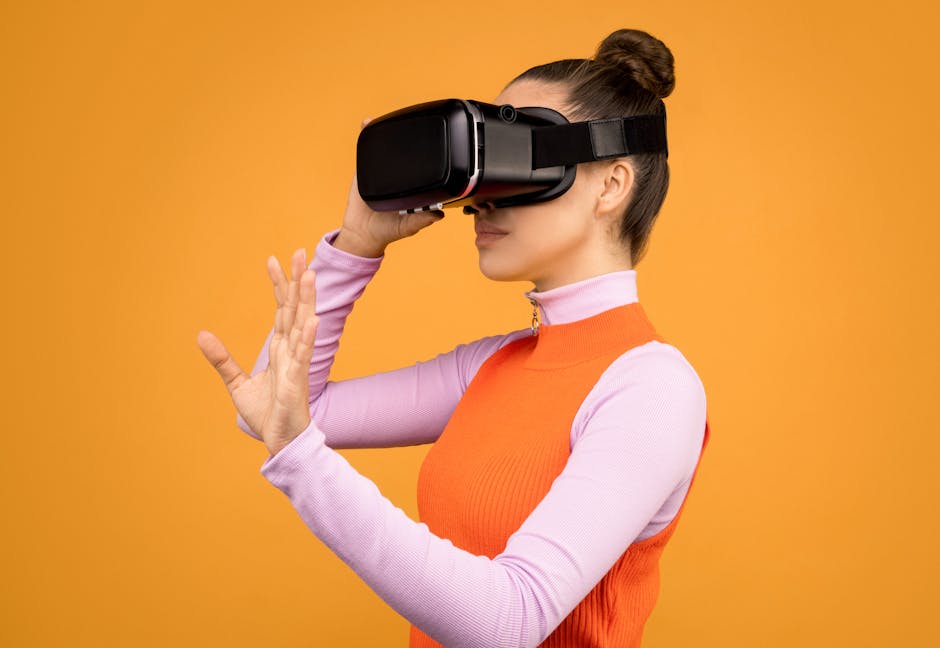
The Rise of Virtual Reality Therapy
In recent years, the rise of virtual reality therapy has revolutionized the approach to mental health treatment. This innovative method leverages immersive technology to help patients confront fears, manage anxiety, and overcome trauma in a controlled and safe environment.
Virtual reality therapy is particularly effective for conditions such as phobias, post-traumatic stress disorder (PTSD), and even pain management. By simulating real-life scenarios, therapists can guide patients through exposures that would be difficult or impossible to recreate in traditional therapy settings.
How Virtual Reality Therapy Works
The process involves the use of a virtual reality headset that transports the patient into a virtual world tailored to their specific needs. For example, someone with a fear of heights might be gradually exposed to virtual environments that simulate high-altitude scenarios. This exposure therapy is monitored and adjusted by the therapist to ensure safety and efficacy.
Furthermore, virtual reality allows for a level of repetition and control that enhances the therapeutic process. Patients can practice coping skills in a safe space, which helps reduce anxiety over time and build resilience.
The Benefits of Virtual Reality Therapy
- Controlled exposure to triggering situations
- Customizable virtual environments
- Enhanced engagement and motivation
- Potential for remote therapy sessions
As technology advances, virtual reality therapy is becoming more accessible and affordable, paving the way for broader adoption in mental health care.
Future Outlook
The potential for virtual reality therapy extends beyond mental health. Researchers are exploring applications in physical rehabilitation, pain management, and training simulations. As evidence of its effectiveness grows, the future of virtual reality therapy looks promising for enhancing treatment outcomes worldwide.