
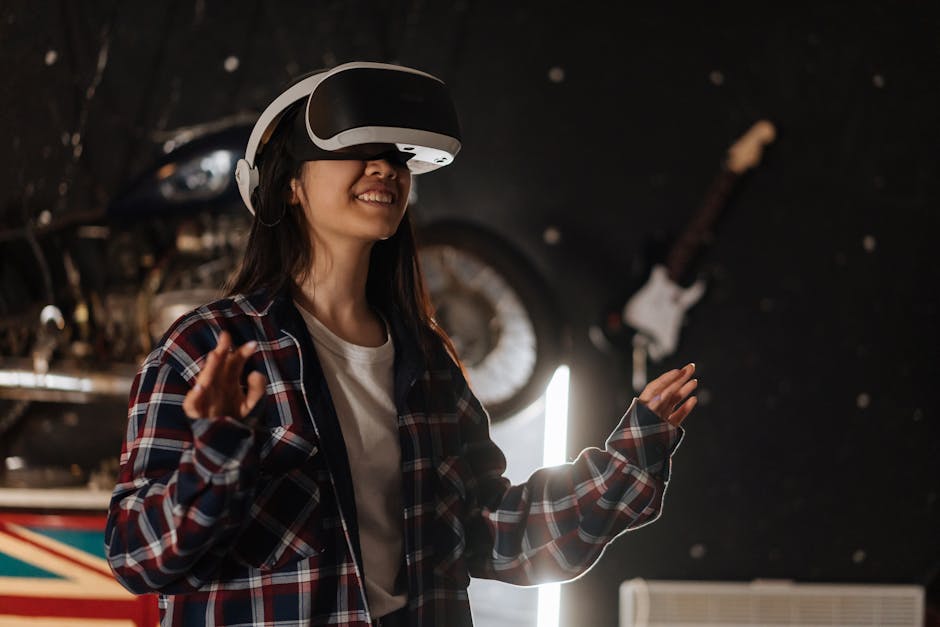
The Rise of Virtual Reality in Real Estate Marketing
Introduction to Virtual Reality in Real Estate
Virtual reality (VR) has become a game-changer in the real estate industry, offering potential buyers a chance to explore properties remotely. By integrating VR technology, real estate agents can showcase homes more effectively and efficiently, leading to faster sales and higher customer satisfaction.
Advantages of Virtual Reality for Buyers and Sellers
One of the primary benefits of virtual reality in real estate is the ability for prospective buyers to take virtual tours from anywhere in the world, saving time and reducing the need for physical visits. Sellers also benefit from increased exposure and the ability to attract serious buyers who have already shown interest through immersive experiences.
Implementing VR in Your Real Estate Strategy
If you're a real estate professional looking to adopt this innovative technology, consider partnering with VR technology solutions providers to create high-quality virtual tours. These immersive experiences can add a competitive edge to your listings and boost engagement.
Future Trends in Virtual Reality and Real Estate
The future of virtual reality in real estate marketing is promising, with advancements like augmented reality (AR) and artificial intelligence (AI) integration. These innovations will make virtual tours even more interactive and personalized, further transforming how properties are marketed and sold.