
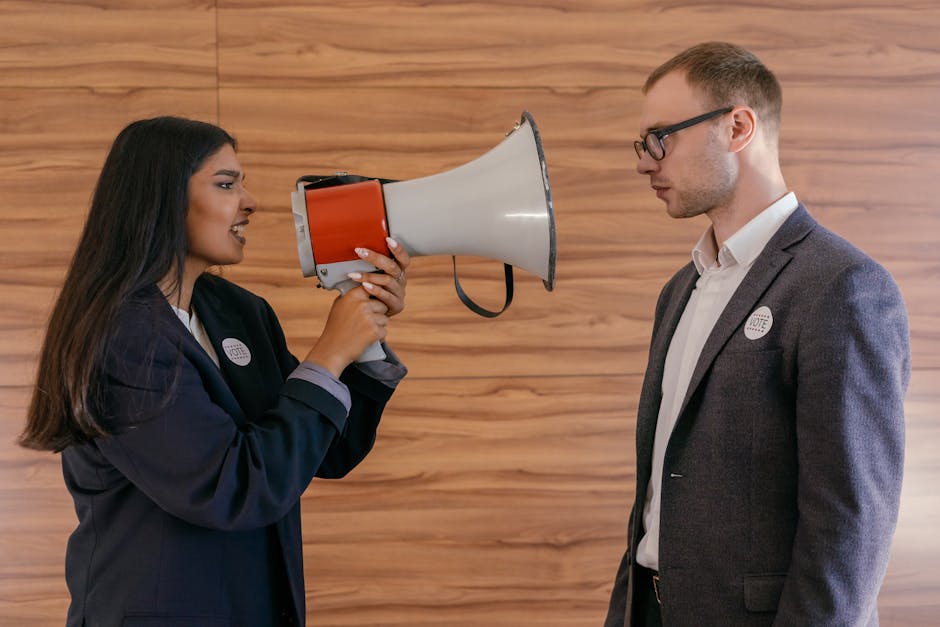
The Role of Facial Expressions in Negotiations: Boosting Your Persuasion Skills
Negotiation is often perceived as a game of words, but underlying non-verbal communication plays a crucial role in influencing outcomes. Among these cues, facial expressions serve as powerful indicators of a person's true feelings and intentions.
Understanding and interpreting facial expressions in negotiation can give you a competitive edge. For instance, a genuine smile may create rapport and trust, whereas a furrowed brow might signal disagreement or confusion. Recognizing these signals allows you to tailor your approach in real-time, fostering more productive discussions.
Moreover, controlling your own facial expressions can help convey confidence and openness, making the other party more receptive to your proposals. Techniques such as maintaining eye contact, practicing active listening, and adopting an open posture can significantly boost your persuasion skills.
In addition, being aware of cultural differences in facial expression interpretation is essential for international negotiations. Some expressions may be perceived differently depending on the context, so developing cross-cultural awareness can prevent misunderstandings and facilitate smoother agreements.
To improve your negotiation skills, consider practicing non-verbal communication exercises and studying common facial expressions associated with various emotional states. These efforts can make your negotiations more effective and increase your chances of reaching mutually beneficial outcomes.