
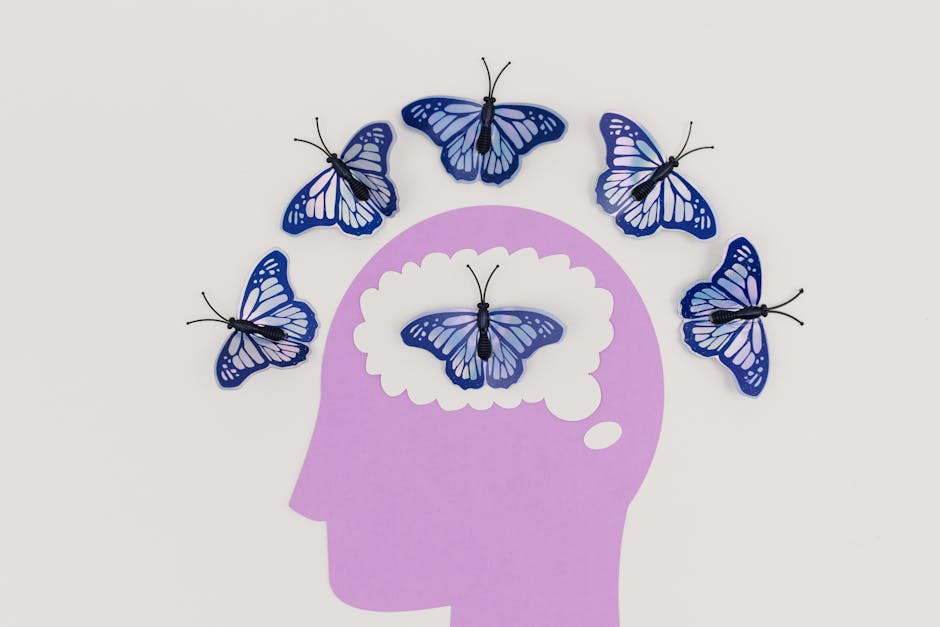
The Science Behind Mindfulness and Brain Plasticity
Understanding Mindfulness and Brain Plasticity
Mindfulness, a practice rooted in meditation techniques, involves paying close attention to the present moment without judgment. Recent scientific studies have shown that regular mindfulness practice can lead to significant changes in the brain’s structure and function, a concept known as brain plasticity.
The Impact of Mindfulness on Brain Regions
Research indicates that mindfulness can increase gray matter density in areas such as the hippocampus, which plays a crucial role in learning and memory. Conversely, it can reduce activity in the amygdala, the part of the brain associated with stress and fear responses.
How Mindfulness Enhances Brain Flexibility
Through consistent practice, mindfulness fosters neuroplasticity, allowing the brain to adapt and rewire itself. This adaptability is linked to improved emotional regulation, cognitive flexibility, and resilience against mental health disorders.
Getting Started with Mindfulness
If you're interested in exploring the benefits of mindfulness, consider beginning with simple meditation sessions or mindfulness meditation apps. Consistent practice can lead to noticeable changes in brain function over time.
Conclusion
The science behind mindfulness and brain plasticity underscores the potential for positive change in our minds. By engaging in mindful practices, we can promote better mental health, boost brain resilience, and unlock the brain's remarkable ability to adapt and grow.