
The Cultural Significance of Fragrance: Exploring Scent Customs Around the World
The Cultural Significance of Fragrance
Fragrance has been an integral part of human culture for centuries, serving more than just aesthetic purposes. Different societies have developed unique scent customs that reflect their history, religion, and social values.
Perfume in Ancient Civilizations
Ancient civilizations such as Egypt, Mesopotamia, and China valued perfume as a symbol of status and spirituality. In Egypt, fragrances were used in religious rituals, embalming, and daily grooming. Similarly, Chinese cultures employed aromatic herbs and oils to promote health and well-being.
Scent and Religious Rituals
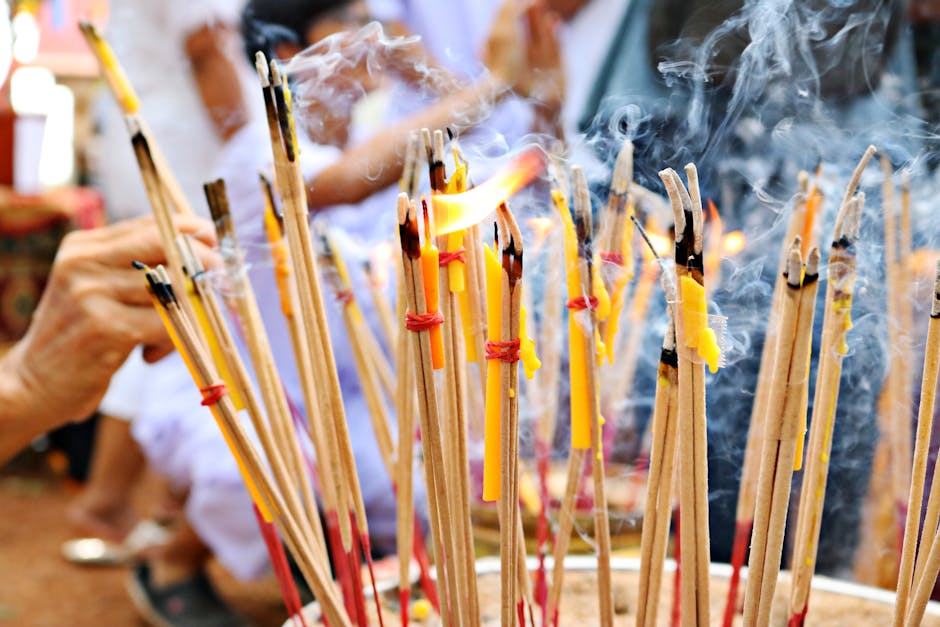
Many religions incorporate fragrance as a way to connect with the divine. Incense burning in Hindu temples, Buddhist monasteries, and Christian churches illustrates the spiritual significance of scent in rituals and ceremonies.
Modern Cultural Practices
Today, scent customs continue to evolve. In some cultures, perfumes play a vital role in wedding traditions, symbolizing purity and prosperity. Additionally, regional scent expressions such as the use of jasmine in India or sandalwood in South Asia highlight the local preferences and cultural identity.
The Global Perspective on Fragrance
Understanding scent preferences around the world offers insight into cultural diversity. Whether it's the aromatic oils of the Middle East, the floral scents of France, or the herbal infusions in Africa, fragrances serve as a bridge connecting tradition and modernity.
Explore more about the cultural importance of fragrance and how scent customs continue to shape identities across the globe.