
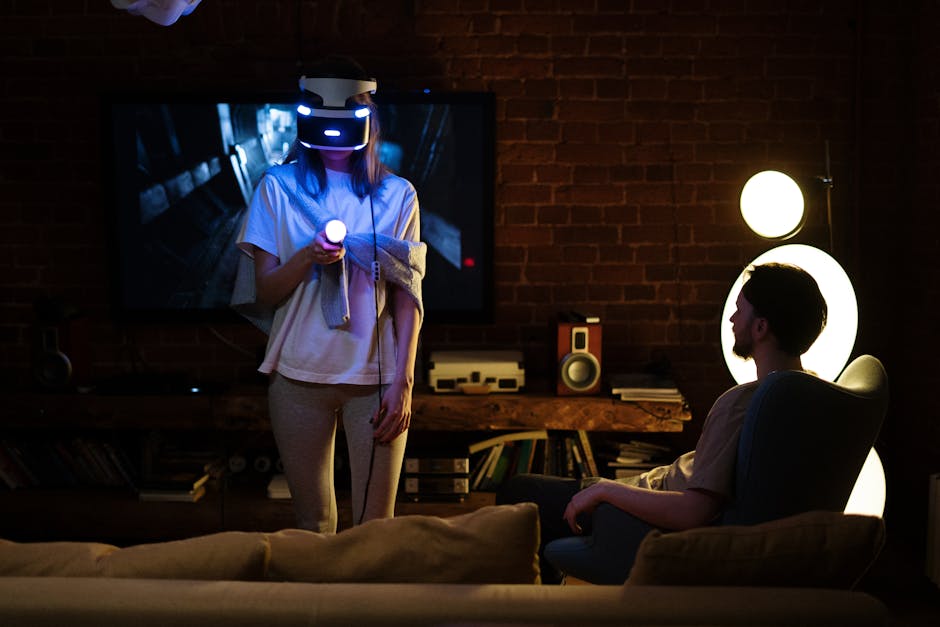
The Future of Virtual Reality in Everyday Life
Introduction to Virtual Reality's Growing Role
Virtual reality (VR) has transitioned from a niche gaming technology to a versatile tool with applications across various aspects of our daily lives. As hardware becomes more affordable and software more sophisticated, the potential of VR to enhance our routines continues to expand.
VR in Entertainment and Social Interaction
One of the most visible trends is VR's role in entertainment. Users can immerse themselves in stunning virtual worlds, attend concerts, or participate in social gatherings without leaving their homes. Platforms are increasingly integrating social features to foster virtual social experiences.
VR in Education and Training
Educational institutions and companies are leveraging VR for training students and employees. Simulations help users practice real-world scenarios safely and effectively, making learning more engaging and practical.
VR in Remote Work and Collaboration
The rise of remote work has accelerated the adoption of virtual collaboration tools. Virtual meeting rooms and immersive workspaces are enabling teams to collaborate seamlessly regardless of geographical boundaries.
Future Innovations and Challenges
Looking forward, advancements like haptic feedback, eye-tracking, and AI-driven environments will make VR experiences more realistic and intuitive. However, challenges such as hardware ergonomics, cost, and content creation need to be addressed to fully realize VR's potential in daily life.
Conclusion
The future of virtual reality in everyday life is promising, with ongoing developments poised to make VR an integral part of entertainment, work, education, and social interaction. As technology evolves, our routines will become more immersive and connected than ever before.