
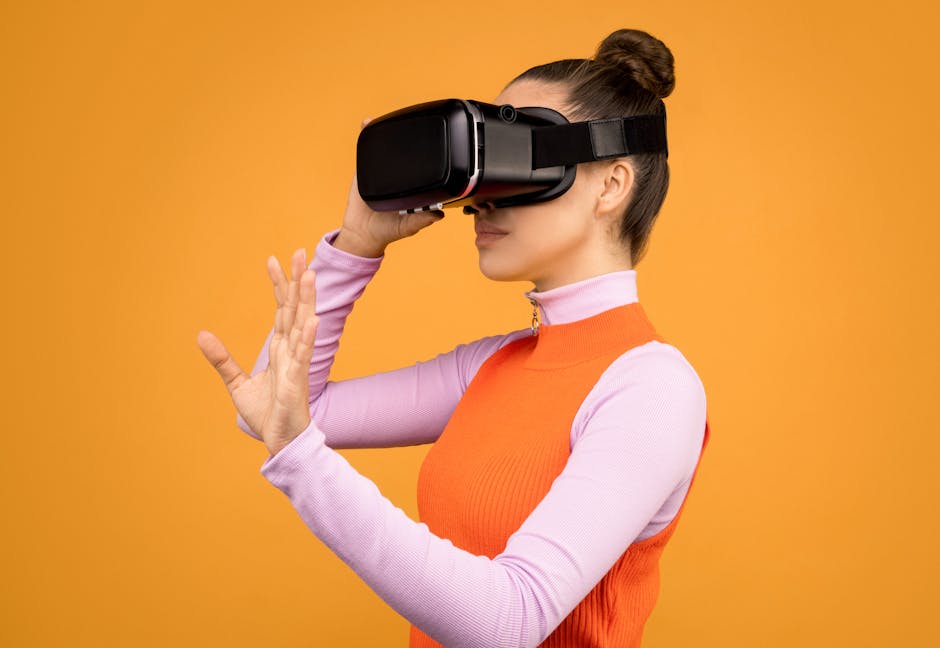
The Future of Virtual Reality Installations
Introduction to Virtual Reality Installations
Virtual reality (VR) installations have revolutionized the way we experience digital content, offering immersive environments that blend technology and artistry. As this field continues to evolve, new possibilities are emerging that promise to reshape entertainment, education, and industry applications.
Emerging Trends in VR
One of the key trends driving the future of virtual reality installations is the development of hyper-realistic graphics and sensory integration. Advances in VR technology such as haptic feedback, eye-tracking, and spatial audio are creating increasingly immersive experiences.
Innovations Enhancing Immersive Experiences
Innovative approaches like interactive design allow users to engage more actively within virtual environments. Furthermore, the integration of AI enhances adaptive storytelling and personalization, making VR installations more dynamic and engaging.
Applications Across Industries
The potential applications of VR installations extend beyond entertainment. In education, virtual labs and historical recreations provide learners with hands-on experiences. In architecture and engineering, VR is used for design and prototyping, enabling stakeholders to visualize projects in 3D space before construction.
Challenges and Opportunities
While the future looks promising, challenges such as hardware limitations, cost, and accessibility need to be addressed. However, ongoing innovations are making VR more affordable and user-friendly, paving the way for broader adoption.
Conclusion
The future of virtual reality installations is bright, promising experiences that are more immersive, interactive, and accessible than ever before. As technology advances, we can expect VR to become an integral part of various sectors, transforming the way we learn, work, and entertain ourselves.