
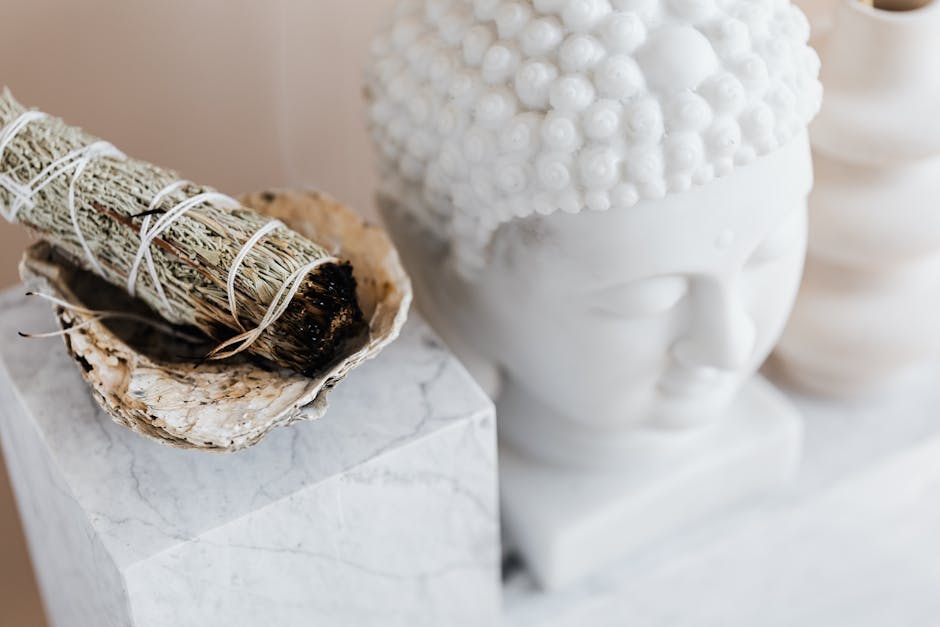
The Mystique of Ancient Scent Rituals
From time immemorial, humans have been captivated by the power of scents. The ability of certain aromas to evoke memories, alter moods, and transport us to different realms is truly fascinating. One area where scents have played a significant role is in ancient rituals practiced by various cultures throughout history.
Ancient scent rituals carry a sense of mystique and hold profound cultural and spiritual significance. These rituals involve the intentional use of natural substances such as incense, essential oils, and herbs to create specific fragrances that are believed to connect humans with the divine. The rituals vary across different cultures and religions, but their underlying purpose remains the same - to elevate one's consciousness, purify the mind, and establish a connection with higher realms.
For example, in ancient Egypt, the use of fragrance was deeply intertwined with religious practices. Egyptians believed that certain scents, particularly those derived from flowers, could please the gods and aid in communication with the divine. They used a wide range of aromatic substances, such as myrrh, frankincense, and lotus, in their ceremonies and burials. The art of perfumery in ancient Egypt was highly developed, and the fragrances created were considered offerings to the gods.
In ancient India, the practice of scent rituals was an integral part of Ayurveda, the traditional system of medicine. Ayurvedic texts describe the use of aromatic substances for their therapeutic properties and their ability to balance the body, mind, and spirit. Scent rituals, known as Gandha Lepanam, involved the application of fragrant pastes on the body during religious ceremonies and festivals. The fragrances used were carefully chosen based on their effects on the doshas (energetic forces) of the body.
Similarly, incense has played a significant role in the rituals of various cultures, including those of ancient China and Japan. The burning of incense was believed to purify the environment, ward off evil spirits, and create a sacred space for prayer and meditation. The scents of incense, such as sandalwood, sage, and aloeswood, were considered offerings to deities and ancestors, symbolizing reverence and gratitude.
Today, the mystique of ancient scent rituals continues to intrigue and inspire people. Many individuals and practitioners explore these rituals to deepen their spiritual practices, enhance their well-being, and experience a sense of connection with ancient wisdom. Essential oils, incense, and other aromatic substances are readily available, allowing anyone interested to embark on their own scent ritual journey.