
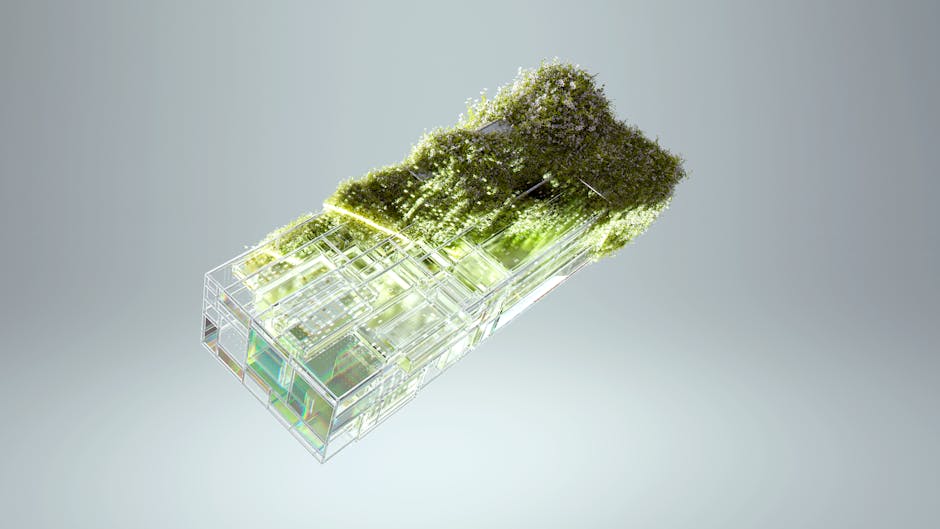
The Psychology Behind Biophilic Design: How Nature Inspired Environments Enhance Productivity and Concentration
Biophilic design is rooted in the idea that humans have an innate connection to nature. It is an approach to architecture and interior design that seeks to incorporate elements of the natural world into the built environment.
Studies have shown that exposure to nature can have a profound impact on our mental well-being. Biophilic design takes this concept a step further by bringing nature into our everyday spaces, such as offices, schools, and homes.
One of the key principles of biophilic design is the integration of natural elements, such as plants, water features, and natural light. These elements can help create a more soothing and calming environment, which in turn can enhance productivity and concentration.
Research has shown that being in nature or even just looking at images of nature can have a positive effect on our cognitive function. Studies have found that individuals who work in offices with natural elements, such as greenery or views of the outdoors, report higher levels of satisfaction, focus, and productivity.
In addition to the physical aspects of biophilic design, there is also a psychological component. Being in nature has been found to reduce stress and improve mood, which can have a significant impact on our ability to concentrate and perform tasks.
So, how can you incorporate biophilic design into your own space? Start by bringing in natural elements, such as plants or a water feature. Consider using natural materials, such as wood or stone, in your furniture and finishes. And don't forget about natural light - maximize the amount of natural light in your space by opening up windows or using skylights.
By incorporating these elements of nature into your environment, you can create a space that promotes productivity, concentration, and overall well-being.