
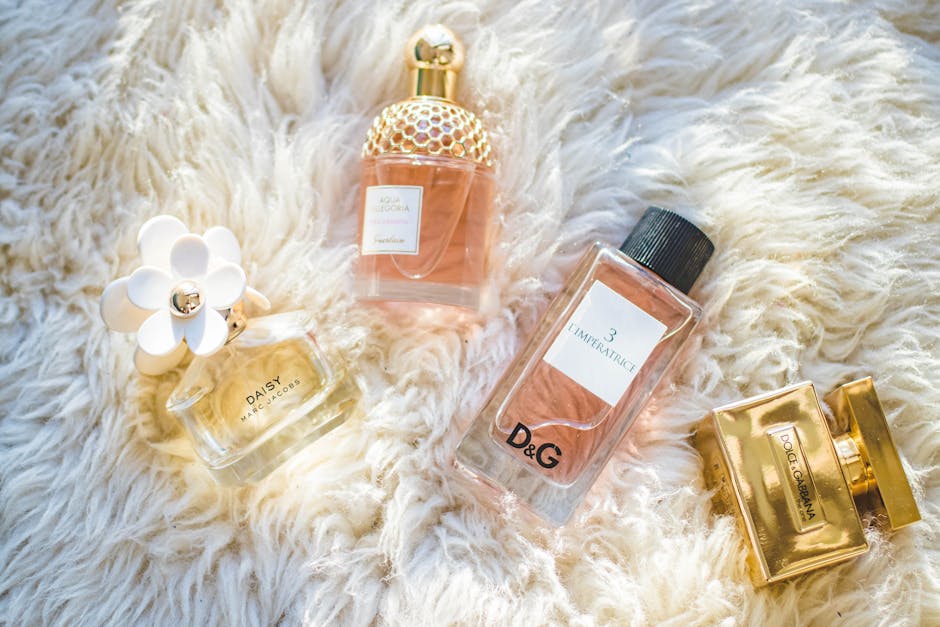
The Psychology Behind Scent Preferences: Unraveling Your Olfactory Personality
Did you ever wonder why certain scents leave you feeling alive, while others bring back cherished memories? The world of scent preferences is a fascinating one, offering insights into our olfactory personality.
Our sense of smell is intimately connected to our emotions and memories. Just a whiff of a particular fragrance can transport us back in time or evoke strong feelings. But what determines our scent preferences?
Research suggests that the psychology behind scent choices is influenced by a variety of factors, including genetics, experiences, and cultural influences. Let's unravel this intriguing topic and explore how scents shape our olfactory personality.
The Power of Memory
Have you ever caught a whiff of a perfume that instantly reminded you of someone dear? Or perhaps the scent of freshly baked cookies takes you back to carefree childhood days. Our brains have an incredible ability to associate scents with memories, allowing us to relive moments and feel emotions tied to them.
This power of scent-memory association plays a significant role in our scent preferences. We tend to gravitate towards fragrances that trigger positive memories or evoke pleasant emotions. It explains why certain scents have a comforting or nostalgic effect on us.
Cultural Influences
While scent preference can be deeply personal, cultural influences also shape our olfactory personality. Various cultures have unique associations with specific scents. For example, lavender is often associated with relaxation and tranquility, while citrus scents can be linked to freshness and energy.
Moreover, cultural traditions and practices play a role in scent preferences. Some cultures incorporate scented rituals into their daily lives, like burning incense or using aromatic oils during meditation or religious ceremonies. These practices can influence individuals' perception and appreciation of certain fragrances.
Biological Factors
Genetics and biological factors also contribute to scent preferences. Studies suggest that our genes influence the receptors in our noses, making some individuals more sensitive to certain smells than others. This genetic variation explains why people may have different reactions to the same fragrance.
Additionally, our hormonal changes and physiological states can affect our scent preferences. During different stages of our lives, such as pregnancy or menopause, our olfactory sensitivity can shift, leading to changes in the fragrances we find appealing.
Emotional Significance
Scents can have a profound impact on our emotions. Research shows that certain fragrances can evoke specific emotional responses, such as relaxation or invigoration. The connection between scent and emotions is so strong that some therapists use aromatherapy as a form of emotional healing.
Understanding the emotional significance of scents can help us select fragrances that align with our emotional needs. Whether we seek comfort, energy, or relaxation, scent preferences can provide a valuable tool for self-care and emotional well-being.
Conclusion
Exploring the psychology behind scent preferences unveils the intricate relationship between scent and personality. Our olfactory personality is shaped by a combination of genetics, experiences, and cultural influences. By understanding our scent preferences, we can harness the power of fragrances to enhance our mood, trigger positive memories, and promote emotional well-being.
From-Perfumes-to-Pheromones:-The-Science-of-Attraction-and-Personal-Fragrance
Exploring-the-Intriguing-World-of-Aromatherapy:-How-Scents-Impact-Your-Mood-and-Well-being
Unmasking-the-Hidden-Power-of-Scent:-Can-Your-Favorite-Fragrance-Boost-Your-Confidence?
The-Scent-of-Success:-How-Businesses-Use-Fragrances-to-Influence-Consumers-and-Boost-Sales