
The Role of Art in Challenging Societal Norms
Introduction
Art has long been a medium for expressing dissent, showcasing alternative perspectives, and provoking thought. By engaging viewers emotionally and intellectually, art can challenge societal norms that often go unquestioned.
The Power of Artistic Expression
Throughout history, artists have used various forms such as painting, sculpture, and performance to highlight injustices and societal issues. For example, activists frequently utilize political art to critique oppressive regimes or social inequalities.
Examples of Art Challenging Norms
- Street Art: Murals and graffiti that address racial discrimination and urban struggles.
- Performance Art: Interactive pieces encouraging viewers to question gender roles or authority.
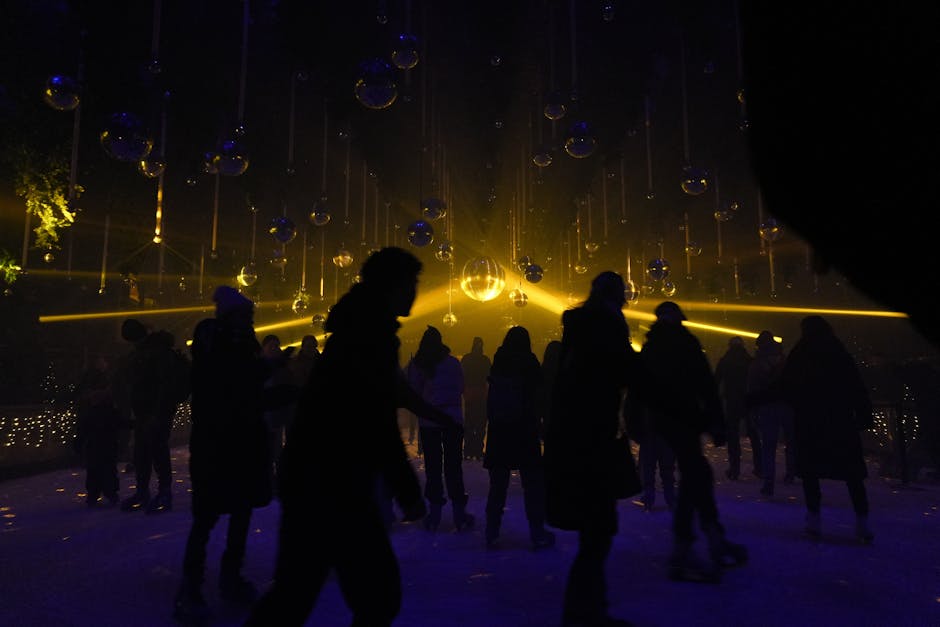
- Contemporary Installations: Exhibitions that explore issues like climate change, gun control, or freedom of speech.
The Impact of Challenging Societal Norms
When art confronts societal expectations, it often sparks conversations that lead to social change. Discover how artists like Banksy or Ai Weiwei have used their work to protest and challenge the status quo.
Engaging with art and social justice helps communities recognize issues that need attention and promotes activism.
Conclusion
Art remains a vital avenue for challenging societal norms and inspiring transformation. Whether through imagery, performance, or installation, artists continue to question the accepted and shed light on what lies beneath the surface.
To learn more, visit our guide to understanding art's role in society.