
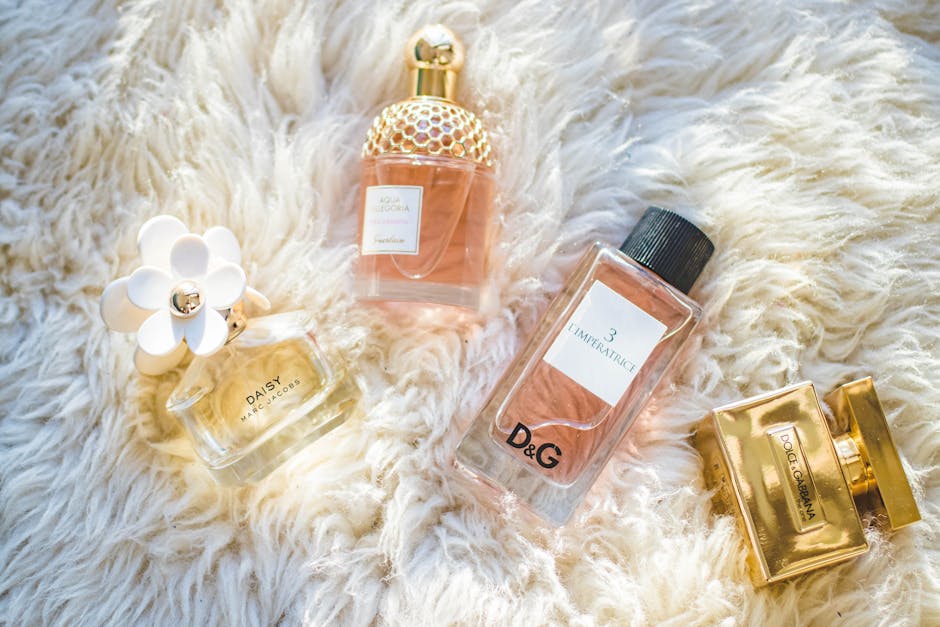
The Science Behind Scent: Unraveling the Molecular Intricacies of Fragrance Creation
Have you ever wondered about the complex and captivating world of fragrances? The science behind scent creation is a fascinating field that combines various molecular intricacies to create those alluring smells we love so much. In this blog post, we will delve into the fundamental processes behind fragrance creation and explore the scientific principles that make it possible.
When it comes to fragrances, the key players are the aromatic compounds present in various natural and synthetic materials. These compounds are typically volatile, meaning they easily vaporize and disperse in the air. When we inhale an aroma, these volatile compounds interact with the olfactory receptors in our nose, triggering a sensory response in our brain.
One of the primary methods of fragrance creation is through distillation. This process involves heating botanicals, such as flowers, leaves, or fruits, to extract their essential oils. The essential oils contain the aromatic compounds responsible for the characteristic scent of the botanical. By distilling these oils, perfumers can capture and harness the unique fragrances of different plants.
Another technique widely used in fragrance creation is chemical synthesis. Synthetic fragrance molecules are designed and produced in laboratories to mimic the olfactory properties of natural compounds. This allows perfumers to create scents that may not exist in nature or to reproduce specific smells more economically or sustainably.
The molecular intricacies of fragrance creation also involve the concept of scent notes. Similar to musical notes, scent notes refer to the different components within a fragrance composition that unfold over time. Fragrances typically consist of three types of notes: top notes, middle notes (also known as heart notes), and base notes. Top notes are the initial scents that you smell upon application, while middle and base notes become detectable later as the fragrance evolves on your skin.
Perfumers expertly select and combine various aromatic compounds to create a balanced and harmonious fragrance composition. They consider the volatility and longevity of each compound, as well as how different components interact with one another. This delicate balance between different scent notes is crucial in achieving a captivating fragrance that lasts throughout the day.
The science behind scent creation is continuously evolving, with advancements in technology and our understanding of olfaction. Perfumers and scientists work together to explore new aromatic compounds, study their molecular profiles, and push the boundaries of fragrance creation.
So, the next time you indulge in your favorite perfume or cologne, take a moment to appreciate the intricate molecular intricacies that went into its creation. Behind every captivating scent lies a world of scientific discovery and creativity.
Perfume-chemistry:-The-secret-formula-behind-creating-captivating-fragrances
Sense-of-smell:-Exploring-the-connection-between-scent-and-memory
Olfactory-receptors:-Unlocking-the-mysteries-of-how-our-noses-perceive-different-smells
Fragrance-industry-secrets:-Exposing-the-hidden-techniques-used-to-create-irresistible-scents
The-surprising-link-between-scent-and-attraction:-Unveiling-the-hidden-power-of-pheromones