
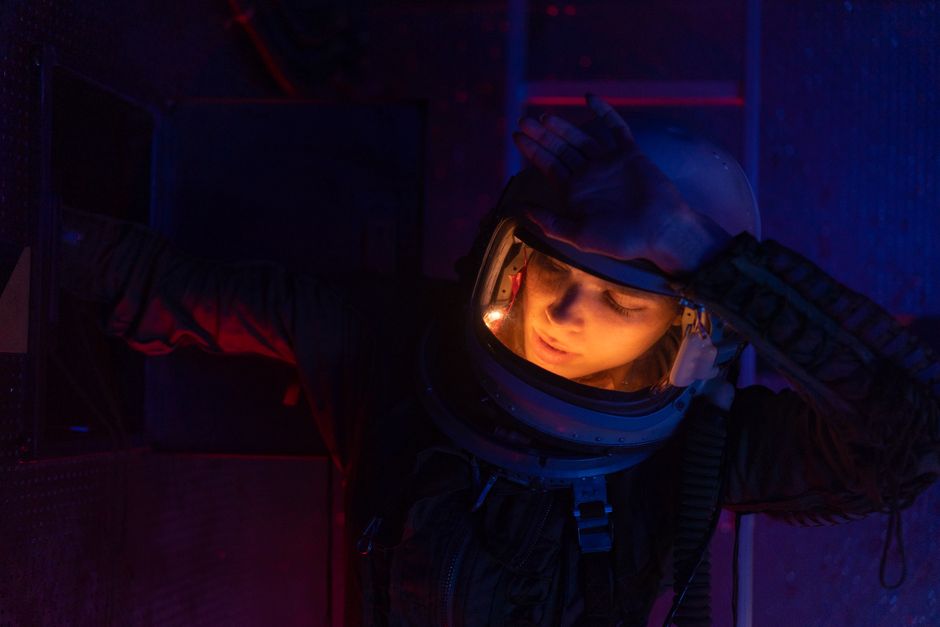
Time Travel Theories Busted: Exploring Myth and Reality
Time travel has long been a captivating subject in science fiction and popular culture. Many enthusiasts have wondered whether it is scientifically possible or merely a product of imagination. However, recent scientific studies and experiments have challenged some of the most popular time travel theories, raising questions about their feasibility.
One of the most discussed ideas is the possibility of traveling through wormholes, which are hypothetical tunnels in spacetime. While the theoretical basis for wormholes exists within Einstein's general relativity, practical constraints such as exotic matter requirements render them inaccessible with our current technology. Recent research suggests that even if wormholes could exist, stability issues might prevent their use for actual time travel.
Another common concept is time paradoxes, which often feature in science fiction stories involving changing past events. Scientific developments, including the study of quantum mechanics, imply that many of these paradoxes might be resolved or rendered impossible due to the nature of causality and quantum entanglement.
Scientists continue to explore the boundaries of physics while debunking or confirming various popular myths about time travel. Although time travel remains a captivating idea, current empirical evidence and theoretical models suggest significant hurdles that make it unlikely in the foreseeable future.
Despite these setbacks, the fascination with time travel keeps inspiring research and imagination. Many continue to ask: if time travel becomes possible someday, what impact would it have on our understanding of the universe?