
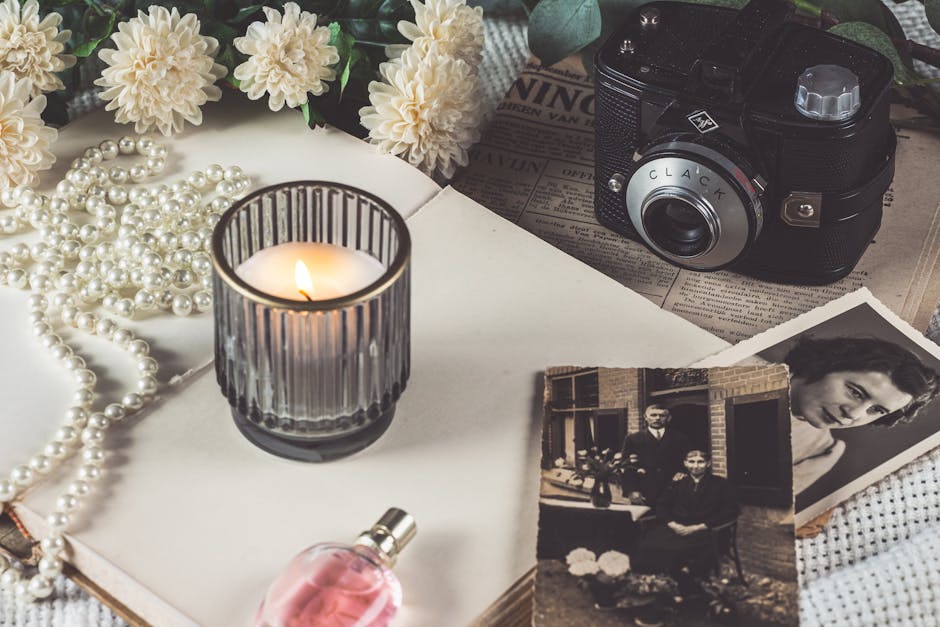
Tracing the Fragrance Heritage of Different Cultures
Fragrances have played an integral role in human societies for centuries, representing not just personal scent but also cultural identity and spiritual significance. From the aromatic spices of the Middle East to the floral blends of Asia, fragrance traditions offer a glimpse into the history and customs of different peoples.
In Middle Eastern perfumery, the use of oud and other exotic ingredients reflects centuries-old practices rooted in trade and craftsmanship. Meanwhile, in Asia, floral scents like jasmine and lotus symbolize purity and spiritual harmony, often incorporated into traditional ceremonies.
Many cultures also have spiritual connections with fragrances, perceiving them as offerings to deities or as tools to promote well-being. The European perfume industry evolved during the Renaissance, blending influences from ancient Greece and Rome with innovations in extraction and blending techniques.
Understanding these cultural significance of fragrance helps appreciate how scents serve as a bridge between the past and present, carrying stories and traditions across generations. Whether used in rituals, celebrations, or daily life, fragrances continue to be a vital cultural element worldwide.
To explore more about different fragrance heritage origins, visit our detailed guides and discover the unique aromatic stories each culture has to tell.
How-Traditional-Perfume-Techniques-Are-Shaping-Modern-Fragrance-Trends--
Surprising-Aromatic-Ingredients-Your-Favorite-Scents-Are-Made-Of--
Discover-the-Hidden-History-Behind-Your-Beloved-Fragrance-Brands--
The-Rise-of-Aromatherapy-and-Its-Impact-on-Your-Daily-Wellbeing