
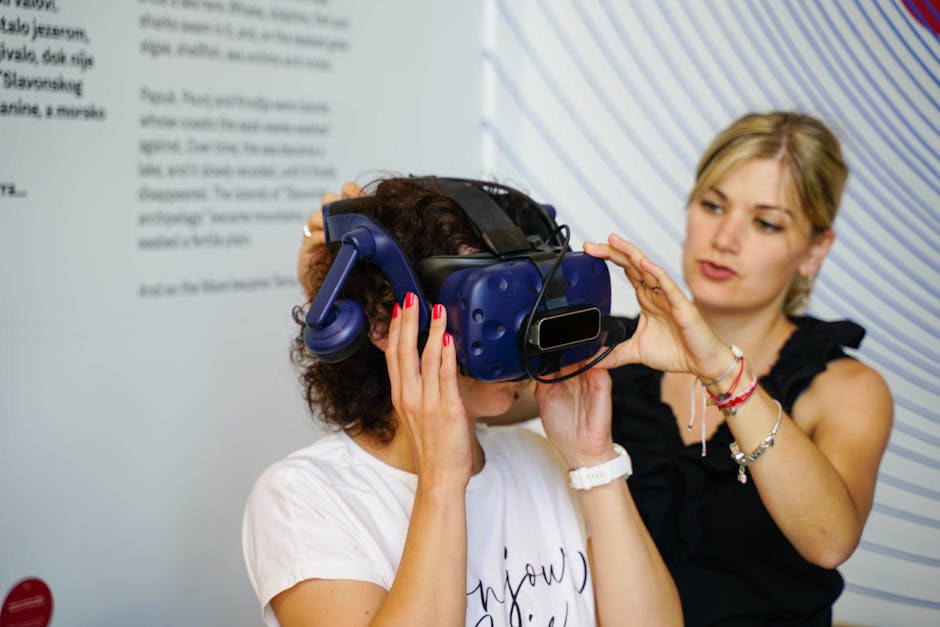
Unbelievable Ways Virtual Reality Is Changing Education
Introduction
Virtual reality (VR) is transforming the educational landscape in unprecedented ways. From virtual field trips to interactive simulations, immersive technology is providing students with opportunities to learn beyond traditional classroom settings.
Immersive Learning Experiences
One of the most compelling benefits of VR in education is the ability to create interactive learning experiences. Students can explore ancient civilizations, travel through space, or dissect virtual organisms, making complex topics more understandable and engaging.
Enhanced Engagement and Motivation
Studies show that VR increases student engagement, leading to improved motivation and retention of information. Instead of passive listening, students actively participate in their learning journey, which fosters a deeper understanding of subject matter.
Access to Remote Environments
VR breaks down geographical barriers, providing access to remote environments that would otherwise be inaccessible. For example, virtual field trips allow students to visit far-off destinations or historic sites from their classrooms, enriching their learning experience.
Preparation for the Future
As technology continues to evolve, familiarity with VR skills becomes increasingly valuable in the workforce. Incorporating VR into education equips students with essential digital skills relevant for future careers.
Conclusion
Virtual reality is more than just a technological novelty; it's a powerful tool that is changing education in profound ways. Embracing VR technology can unlock new possibilities for learners worldwide and prepare them for the challenges of the future.