
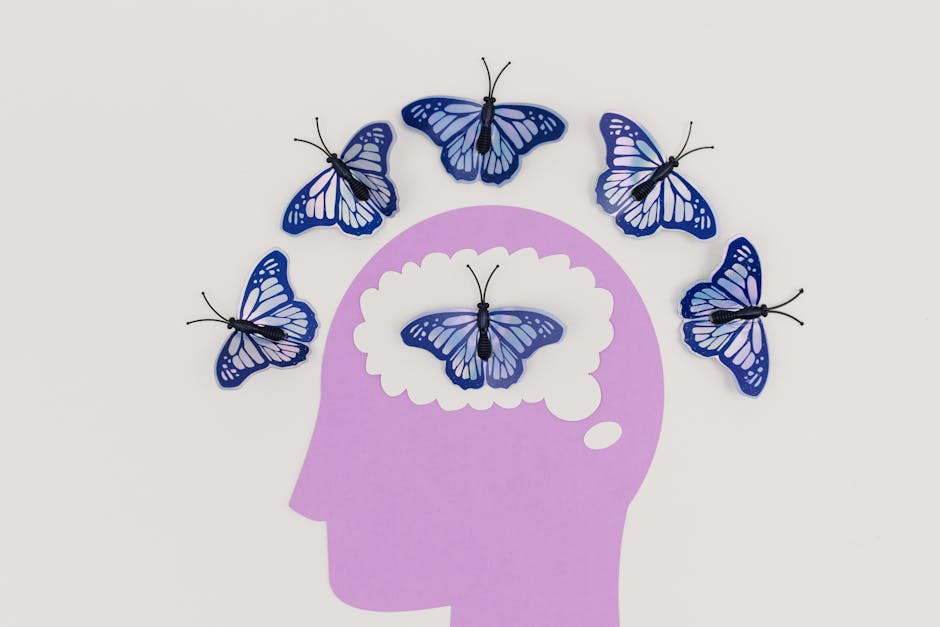
Understanding Biases in Decision Making
Introduction to Biases in Decision Making
Decision making is a fundamental part of human life, impacting choices from daily tasks to major life changes. However, our judgments are often affected by various cognitive biases that can distort our perception of reality.
Common Types of Biases
Some of the most common biases include confirmation bias, where we favor information that confirms our existing beliefs, and anchoring effect, where initial information influences our subsequent judgments.
Impact of Biases on Decision Making
Biases can lead to poor decision making, causing us to overlook important data, overestimate risks, or persist with ineffective choices. Recognizing these biases is the first step toward making more rational decisions.
Strategies to Mitigate Biases
To reduce biases, consider questioning your assumptions, seeking diverse perspectives, and using structured decision-making frameworks. Education about cognitive biases can also empower individuals to make better choices.
Conclusion
Understanding biases in decision making is crucial for improving personal and professional outcomes. By becoming aware of these unconscious influences, you can enhance your judgment and make more informed decisions.