
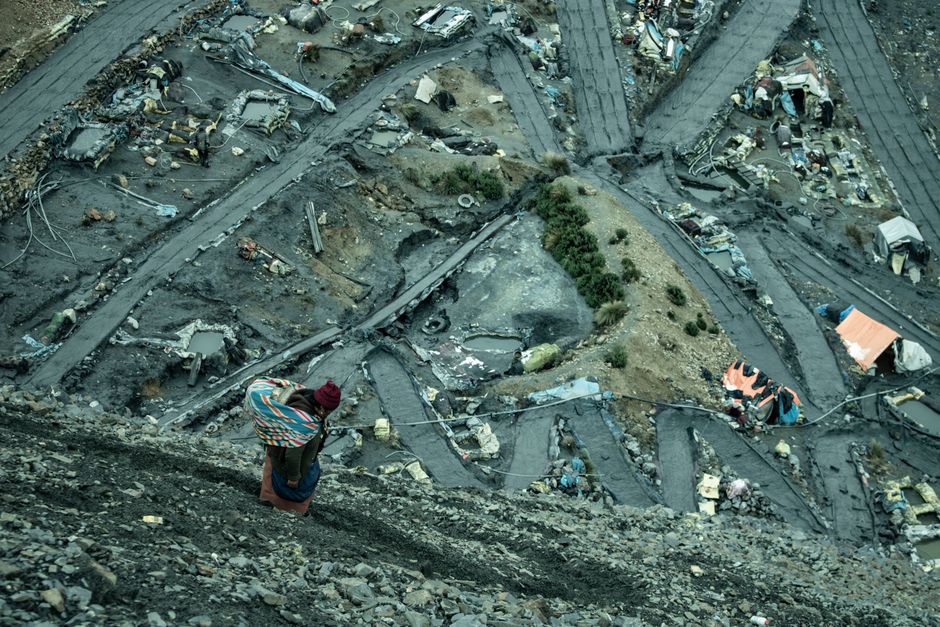
Unexpected Environmental Costs of Cryptocurrency Mining
Cryptocurrency mining has revolutionized the way we think about digital assets and finances. However, behind the scenes, there are significant environmental costs associated with this activity that many overlook. These hidden impacts pose challenges to sustainable development and require urgent attention.
Energy Consumption and Carbon Footprint
One of the most prominent environmental concerns linked to cryptocurrency mining is the vast amount of energy consumption. Large-scale mining operations often rely on electricity generated from fossil fuels, significantly contributing to greenhouse gas emissions. Studies show that some mining farms have a carbon footprint comparable to that of entire countries, making this a pressing issue for climate change mitigation.
Electronic Waste and Hardware Disposal
Beyond energy use, the rapid turnover of mining hardware leads to increased electronic waste. Outdated equipment is discarded, often improperly, adding to environmental pollution. Proper disposal and recycling of mining hardware are essential to minimize adverse ecological impacts.
Water Usage and Local Ecosystems
Some mining operations require significant water resources for cooling purposes. Excessive water consumption can deplete local water supplies and disrupt ecosystems, particularly in areas where water is already scarce.
Moving Towards Sustainable Mining
Addressing these environmental challenges requires innovative solutions, including the adoption of renewable energy sources and more efficient hardware. Stakeholders must work together to develop eco-friendly mining practices that balance innovation with environmental responsibility.