
Unexpected Ways Quantum Physics Affects Your Thinking
Quantum physics, often associated with the bizarre behavior of particles at microscopic scales, has intriguing implications beyond laboratories. Surprisingly, some principles of quantum physics can shed light on how our minds process information and make decisions. In this article, we explore some unexpected ways quantum physics affects your thinking.
Entanglement and Connection
One fascinating aspect is quantum entanglement, which suggests that particles can become interconnected regardless of distance. This concept has inspired research into how ideas or emotions may be interconnected across the brain, leading to the notion that our thoughts might be influenced by subtle, non-local connections. Discover more about entanglement in human thoughts.
Superposition and Decision Making
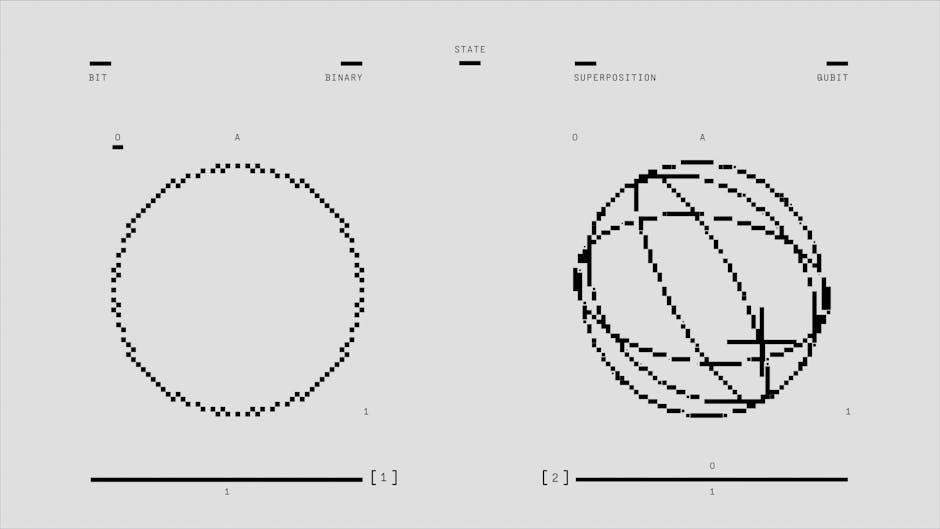
The principle of superposition, where particles exist in multiple states simultaneously until observed, mirrors models of decision-making that incorporate probabilities. When faced with uncertainty, our minds may entertain multiple options at once, akin to a quantum superposition. Learn how quantum-inspired decision models provide a new perspective on choices and uncertainty.
Quantum Tunneling and Perception
Quantum tunneling involves particles passing through barriers that classical physics deem impassable. Analogously, our perception sometimes 'tunnels' through cognitive barriers, allowing insights or ideas to emerge unexpectedly. Explore the idea of quantum tunneling in perception and creativity.
Conclusion
The influence of quantum physics on human thinking is a burgeoning field that challenges traditional cognitive theories. While still largely theoretical, these unexpected ways quantum physics affects your thinking open new avenues for understanding consciousness, decision-making, and perception. Embracing these ideas could revolutionize how we understand ourselves and our interactions with the world.