
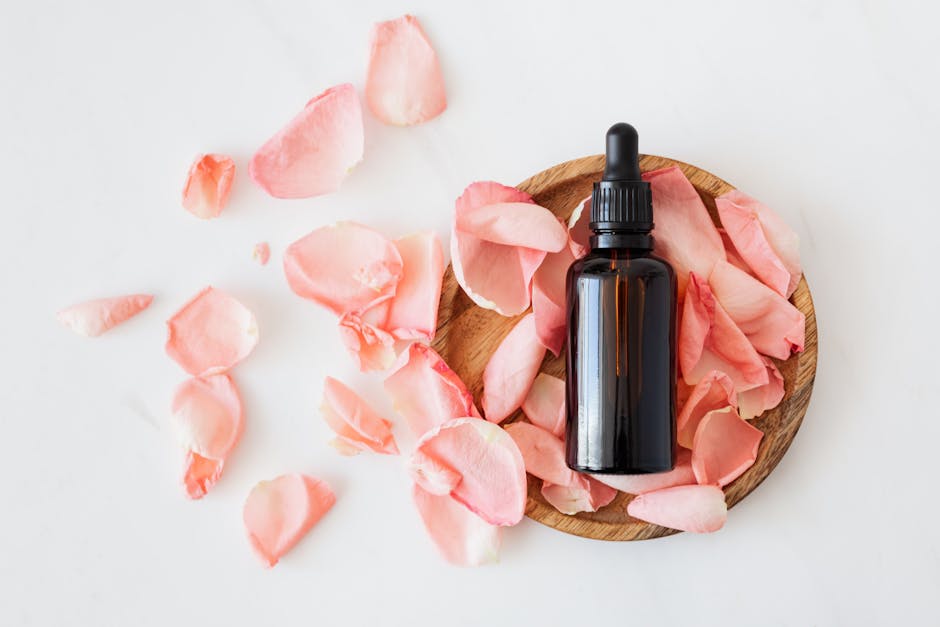
Unlock the Secrets of Enchanting Scents with DIY Perfumes
The world of scents and perfumes has always held a certain mystique and allure. From ancient rituals to modern luxury, perfumes have the power to captivate our senses and evoke emotions. Instead of buying mass-produced fragrances, why not unlock the secrets of enchanting scents by creating your own DIY perfumes?
With a few simple ingredients and some experimentation, you can craft a personalized fragrance that reflects your unique taste and personality. Not only will you save money, but you'll also have the satisfaction of creating something truly one-of-a-kind.
The Art of Perfume Making
Perfume making is an art that dates back centuries. Ancient civilizations, such as the Egyptians and Persians, were known for their skill in creating captivating scents. Today, perfume making has become more accessible, thanks to DIY methods and readily available ingredients.
Getting Started with DIY Perfumes
Before you dive into the world of perfume making, it's essential to familiarize yourself with the basic ingredients. The primary components of perfumes are base notes, middle notes, and top notes.
Base notes provide depth and longevity to the fragrance, while middle notes create a harmonious balance. Top notes are the first scents you smell and tend to be the most volatile. By understanding these notes and their interactions, you can create a well-rounded perfume.
To create your DIY perfume, you'll need essential oils, a carrier oil or alcohol, and optional additives such as floral waters or fixatives. Experiment with different combinations of oils to find the perfect blend that suits your preferences.
Recipes for DIY Perfumes
There are endless possibilities when it comes to perfume making. Here are a few simple recipes to get you started:
- Citrus Delight: Mix 10 drops of bergamot essential oil, 5 drops of sweet orange essential oil, and 2 drops of lemon essential oil. Dilute with carrier oil or alcohol according to your preference.
- Floral Fantasy: Combine 8 drops of rose essential oil, 5 drops of jasmine essential oil, and 3 drops of ylang-ylang essential oil. Adjust the dilution ratio to suit your desired scent intensity.
- Woody Warmth: Blend 6 drops of cedarwood essential oil, 4 drops of sandalwood essential oil, and 3 drops of patchouli essential oil. Experiment with carrier oils or alcohol to achieve the desired consistency.
Remember, perfume making is a personal journey, and there are no rules set in stone. Feel free to experiment, mix different oils, and discover your signature scent. The more you explore, the better you'll understand the art of perfume making.
Learn more about the benefits of using natural ingredients in DIY perfumes.