
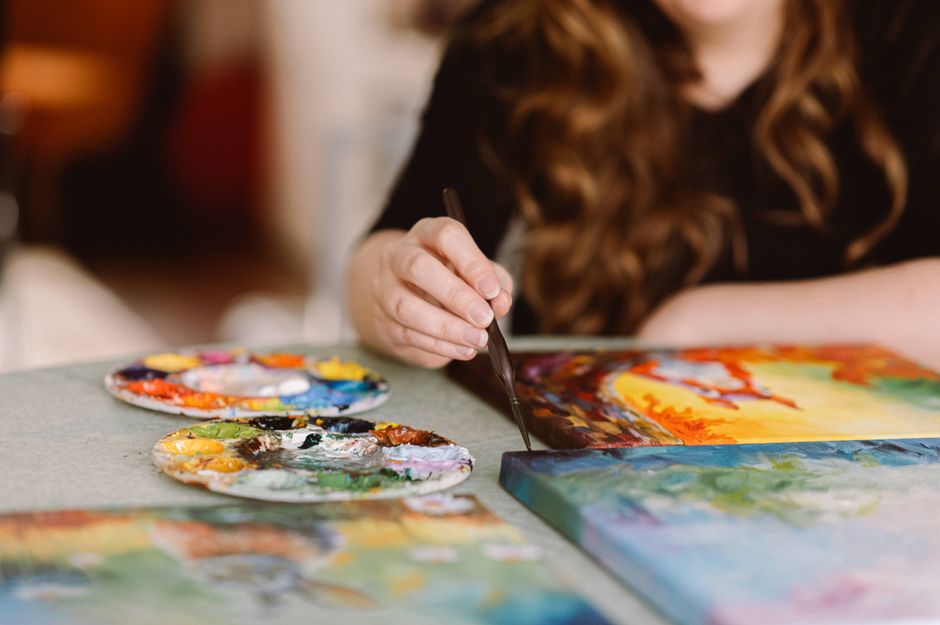
Unlocking Emotional Impact Through Art
Introduction to the Power of Art
Art has long been a medium for expressing human emotions and experiences. When crafted thoughtfully, it has the ability to evoke profound feelings in viewers, creating a lasting impact. Understanding unlocking emotional impact through art is essential for both artists seeking to communicate deeply and audiences eager to connect with the artwork on a personal level.
The Techniques Artists Use to Create Emotional Connections
Artists employ various strategies to elicit emotional responses, such as color theory, composition, and subject matter. The deliberate choice of colors can evoke feelings of calm or excitement, while composition guides the viewer’s eye to convey narrative and mood. Moreover, expressive brushwork adds a layer of raw emotion to paintings, making the viewer feel the artist's passion and intent.
Examples of Emotionally Impactful Artworks
Throughout history, numerous artworks have made a significant emotional impact, such as Picasso’s Guernica, depicting the horrors of war, or Van Gogh’s Starry Night, which captures a sense of longing and wonder. Exploring these masterpieces reveals how historical art continues to inspire emotional responses across generations.
How Viewers Can Engage with Art on an Emotional Level
Engaging deeply with artwork involves more than just surface appreciation. Take time to observe the details, inquire about the artist's intent, and reflect on personal feelings during the experience. To learn more, visit our guide on appreciating art emotionally for tips on deepening your connection with art.
Conclusion
Unlocking the emotional impact of art enriches our understanding and appreciation of creative works. Whether you are an artist or a viewer, recognizing these techniques enhances your experience and fosters a deeper connection. Explore further by delving into our related topics like art and psychology and emotional resonance in modern art.