
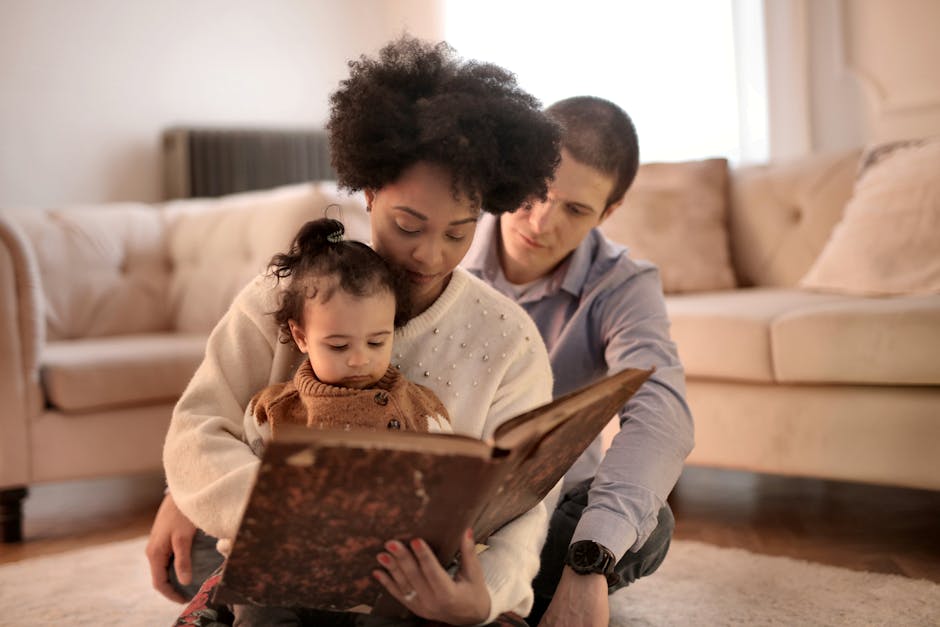
Unveiling the Key to Transporting Readers to Alternate Realities
Storytelling has always been a powerful medium to transport audiences beyond the confines of everyday life. When done effectively, writers can create immersive worlds that allow readers to experience alternate realities firsthand. Visualization techniques play a crucial role in bringing these worlds to life, enabling readers to see, feel, and even hear the environments described.
The Art of Creating Vivid Settings
Building rich and detailed settings is essential for convincing alternate realities. Using descriptive language helps paint pictures in the minds of readers, making the imaginary worlds feel tangible and real. Consider including sensory details and unique cultural elements to deepen the immersion.
Developing Multi-dimensional Characters
Characters act as the bridge between readers and the new worlds they explore. Complex characters with relatable motivations help anchor the story and facilitate emotional connections, making the journey to alternate realities more personal and impactful.
Using Narrative Techniques to Enhance Immersion
Techniques like nonlinear storytelling and shifting perspectives can deepen the sense of mystery and discovery. By carefully plot twists and pacing, writers can keep readers engaged and eager to uncover what lies beyond the familiar.
Conclusion
Unveiling the key to transporting readers into alternate realities involves a combination of vivid imagery, compelling characters, and innovative narrative techniques. Mastering these elements allows writers to craft unforgettable worlds that captivate and inspire.