
Unveiling the Secrets of Quantum Cryptography
The Future of Secure Communication
In today’s digital era, ensuring the security of information is more critical than ever. Traditional cryptographic methods rely on complex algorithms that could be potentially vulnerable to future computational advancements. This has led researchers to explore quantum cryptography, which leverages the principles of quantum mechanics to create virtually unbreakable communication channels.
What Is Quantum Cryptography?
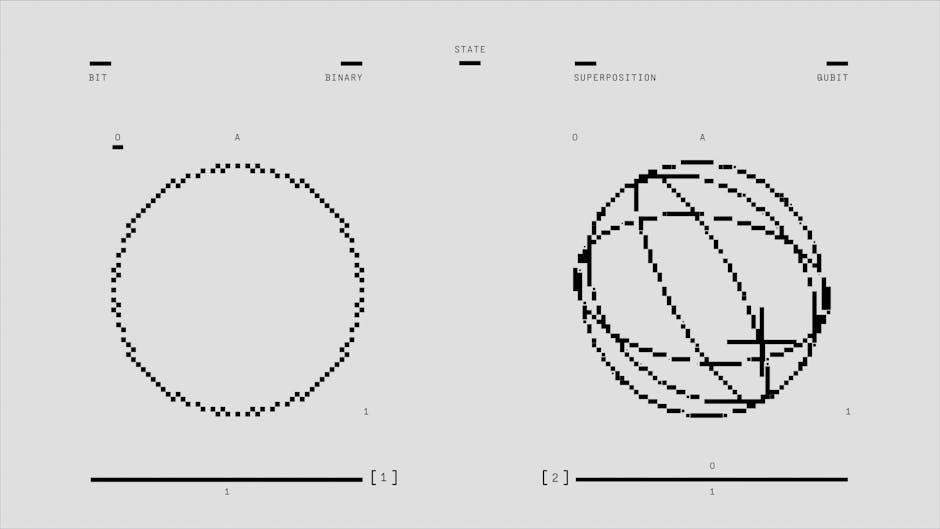
Quantum cryptography uses quantum bits, or qubits, which can exist in multiple states simultaneously. This property, known as superposition, combined with the phenomenon of entanglement, allows for the detection of any eavesdropping attempts, making it ideal for secure data transfer.
How Does It Work?
The most well-known application of quantum cryptography is Quantum Key Distribution (QKD). QKD enables two parties to generate a shared secret key with quantum particles like photons. Any interception of the key alters its state, alerting the users to potential security breaches. For more details, visit our section on Quantum Key Distribution.
Implications for the Future
The advent of quantum computing poses a threat to traditional encryption methods. However, quantum cryptography offers a promising solution to secure sensitive information against even the most powerful computers. As research progresses, we can anticipate more robust and scalable quantum security systems becoming mainstream.
Learn More
To dive deeper into this fascinating field, explore our articles on quantum mechanics and modern encryption methods. Stay ahead in understanding how quantum technology is shaping the future of cybersecurity.