
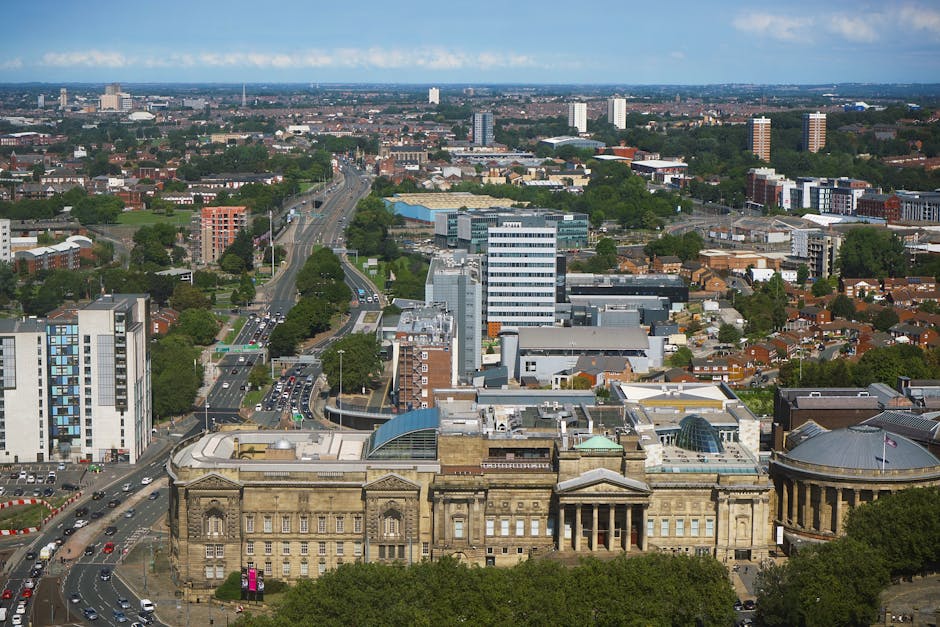
Exploring the Impact of Urban Green Spaces on Cities
The Significance of Urban Green Spaces
Urban green spaces, such as parks, gardens, and natural reserves, play a crucial role in enhancing the quality of life in cities. They offer residents a place to relax, connect with nature, and engage in outdoor activities.
Environmental Benefits
Green spaces contribute to better air quality by filtering pollutants and providing oxygen. They also help in regulating urban temperatures, mitigating the heat island effect commonly seen in densely built-up areas. For more on this topic, see our article on urban green spaces impact on the environment.
Social and Health Advantages
Access to parks and green areas encourages outdoor activities, exercise, and social interactions. These spaces are vital in promoting mental health and well-being among urban residents. To understand how green spaces improve public health, read our piece on impact of green spaces on health.
Urban Planning and Development
Integrating green spaces into city planning ensures sustainable urban growth. Cities that prioritize green infrastructure tend to attract more residents and boost local economies. For insights into urban development, check out how green spaces influence urban development.